
Fixing the Land to Protect Your Property and Future
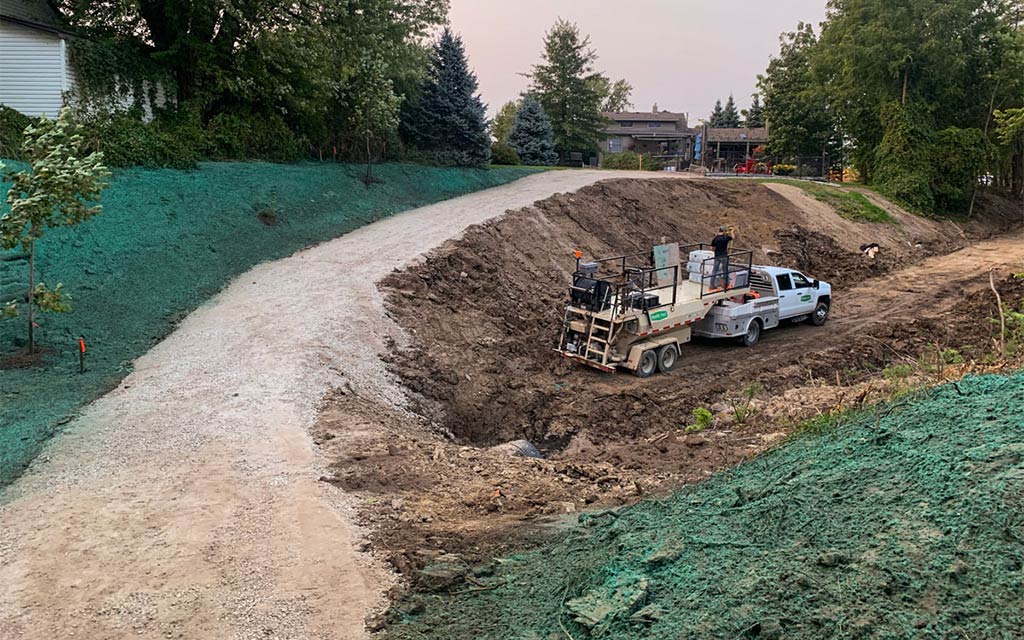
Environmental remediation services help restore damaged, contaminated, unstable, or underperforming land so it can be used safely, responsibly, and sustainably. These services may involve correcting poor soil conditions, controlling erosion, improving drainage, stabilizing slopes, removing or managing contamination, and/or re-establishing healthy vegetation.
In simple terms, environmental remediation is the process of identifying a land issue, correcting the problem, and helping the site return to a stable and usable condition.
For property owners, developers, municipalities, commercial sites, and public spaces, remediation work can be an important step before construction, redevelopment, landscaping, sports field installation, trail building, or long-term site maintenance.
The goal is to create a healthier, safer, and more functional site while reducing future environmental problems.
How Do You Know When Environmental Remediation Is Needed?
Environmental remediation may be needed when a site is showing signs of soil instability, poor plant growth, standing water, erosion, suspected contamination, or repeated landscape failure.
Some common warning signs include:
- Pooling water or poor drainage after rain
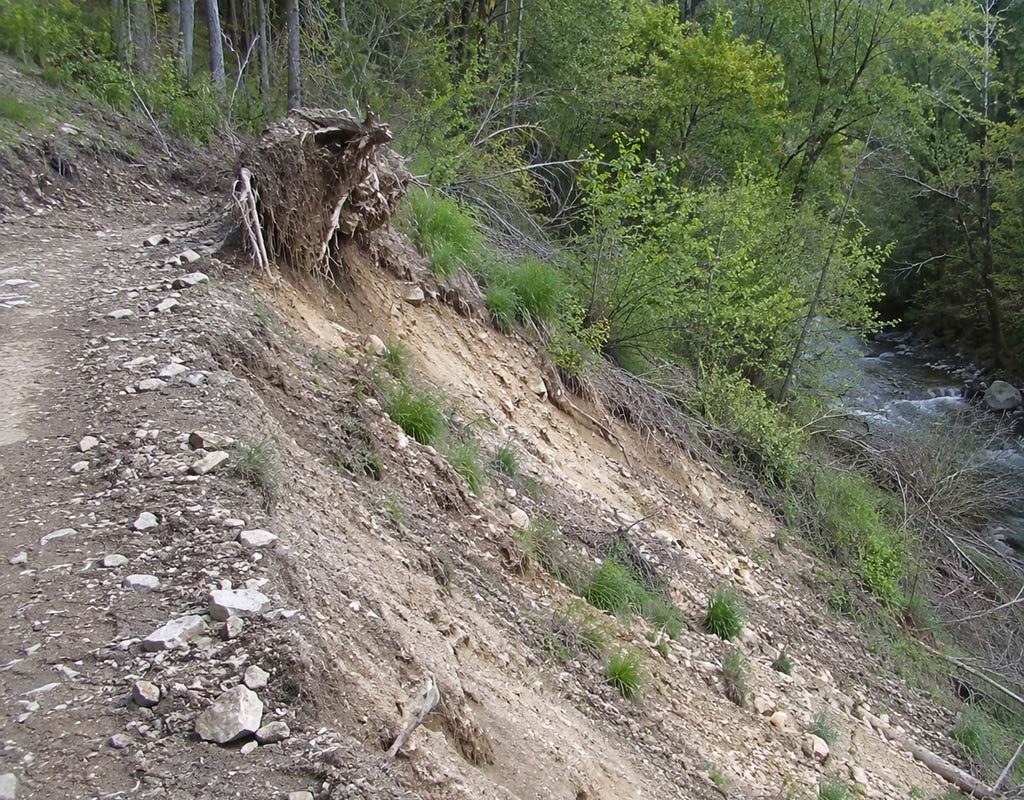
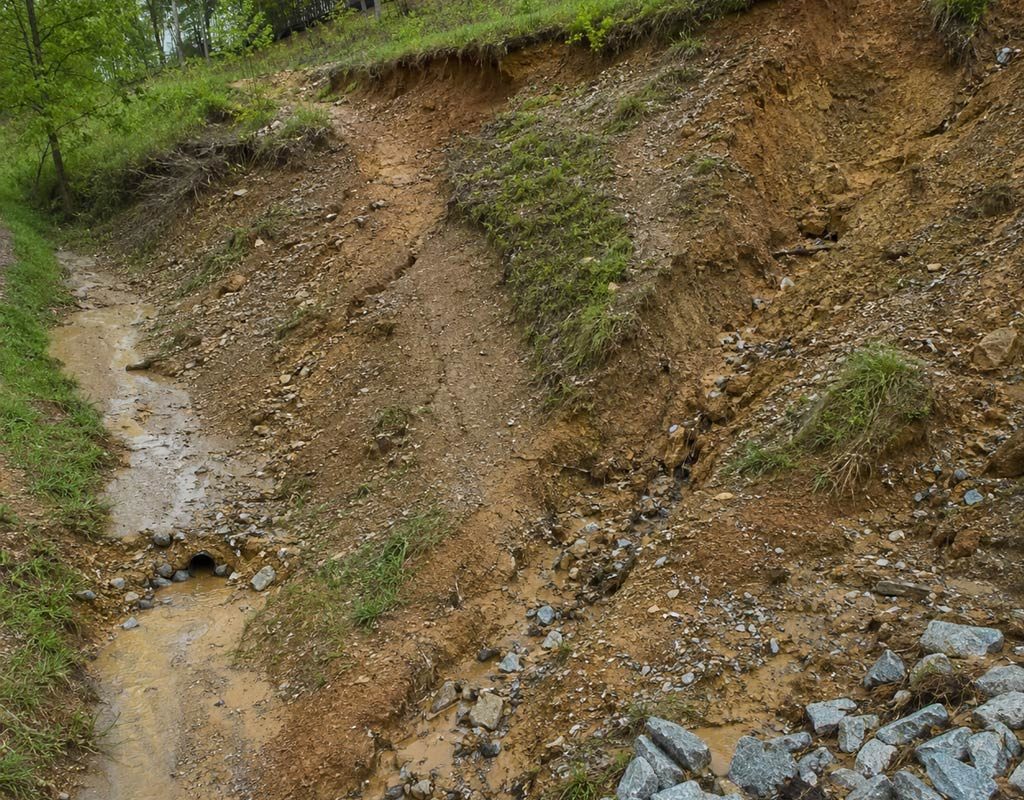
- Soil washing away from slopes, pathways, or open areas
- Exposed roots or unstable embankments
- Mud consistently tracking onto sidewalks, roads, or parking lots
- Uneven ground caused by water movement
- Bare patches where vegetation will not establish
- Sediment buildup around storm drains or low areas
- Evidence of previous industrial or commercial use
- Concerns about contaminated soil or groundwater
- Construction areas that need to be restored after disturbance
For commercial, municipal, and institutional properties, remediation is especially important because land problems can quickly become safety concerns, maintenance issues, or regulatory challenges.
A small drainage or erosion problem can become much larger over time if it is not corrected promptly and properly. Addressing the issue early can help protect the site, reduce future repair costs, and support long-term land performance.
Soil Correction
Healthy soil is the foundation of a successful landscape. When soil is compacted, nutrient-poor, contaminated, too sandy, too heavy with clay, or unable to drain properly, plants and turf struggle to establish.
Soil correction may involve improving the physical, chemical, or biological condition of the soil. Depending on the site, this could include adding topsoil, compost, amendments, organic matter, sand, or other materials to improve structure and performance.
Soil correction may be needed when:
- Turf fails to root properly
- Soil is heavily compacted from equipment or foot traffic
- Water sits on the surface instead of draining
- The site has been stripped or disturbed during construction
- The existing soil cannot support healthy plant growth
- Soil has been contaminated or requires replacement
Correcting soil issues before planting or sodding gives the finished landscape a much better chance of success. Without proper soil preparation, even high-quality sod, seed, or plant material may fail.
Erosion Control
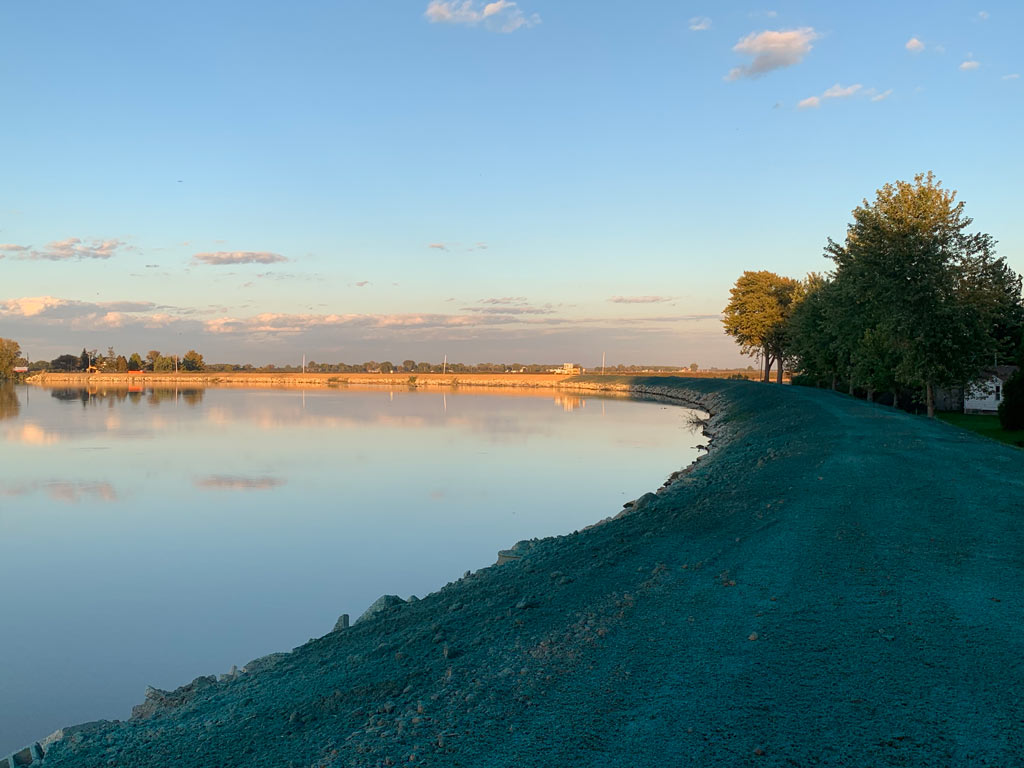
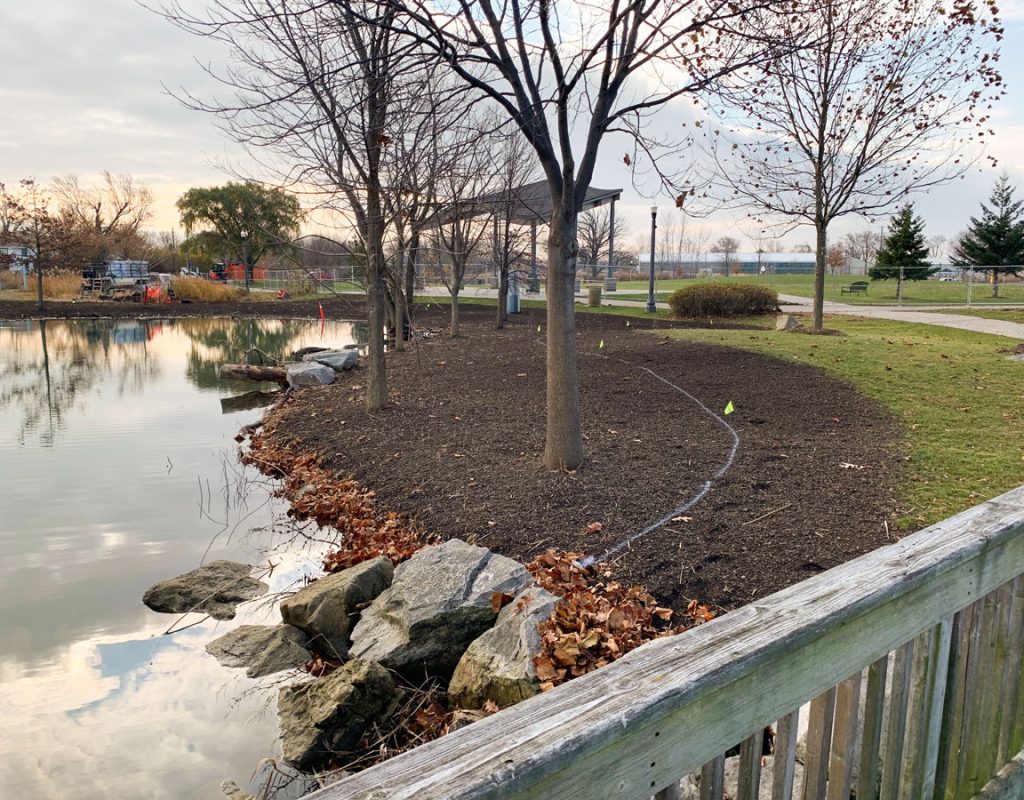
Erosion happens when soil is displaced by water, wind, gravity, or human activity. It is especially common on slopes, construction sites, drainage channels, shorelines, trails, riverbanks and open areas without established vegetation.
Erosion control methods help keep soil in place and prevent sediment from moving into stormwater systems, nearby properties, roads, sidewalks, waterways, or landscaped areas. Plants such as grass help prevent soil surfaces from deteriorating thanks to their root systems binding the soil together.
Common erosion control methods include:
- Proper grading
- Silt fencing
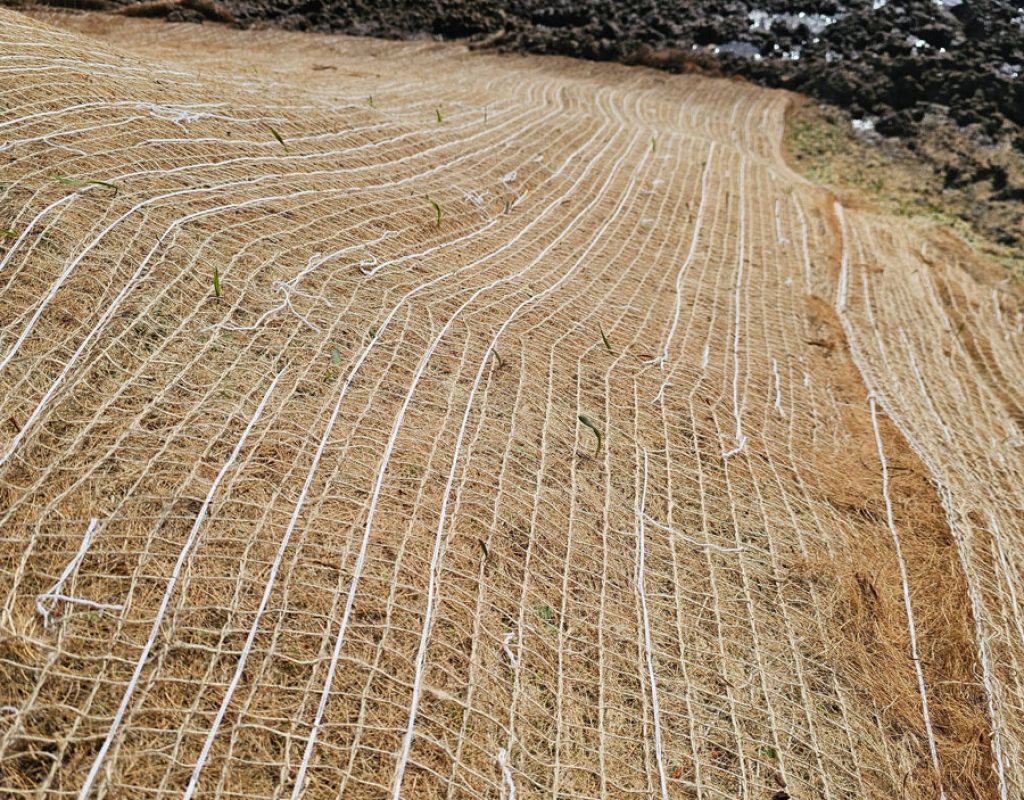
- Erosion control blankets
- Straw or mulch cover
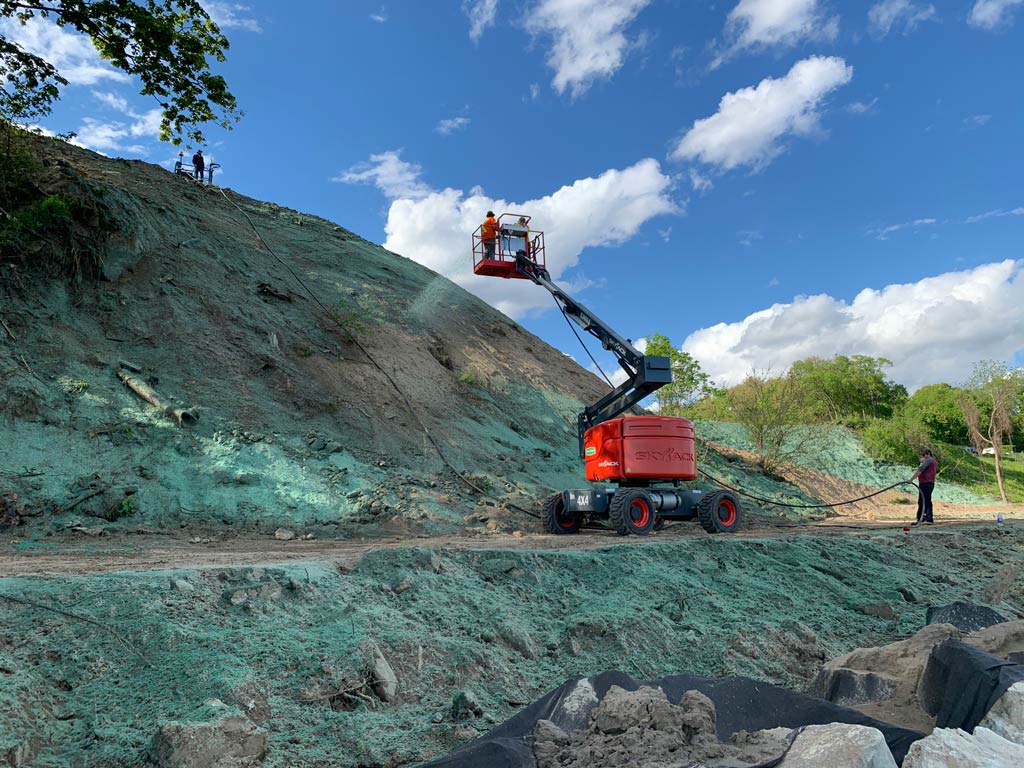
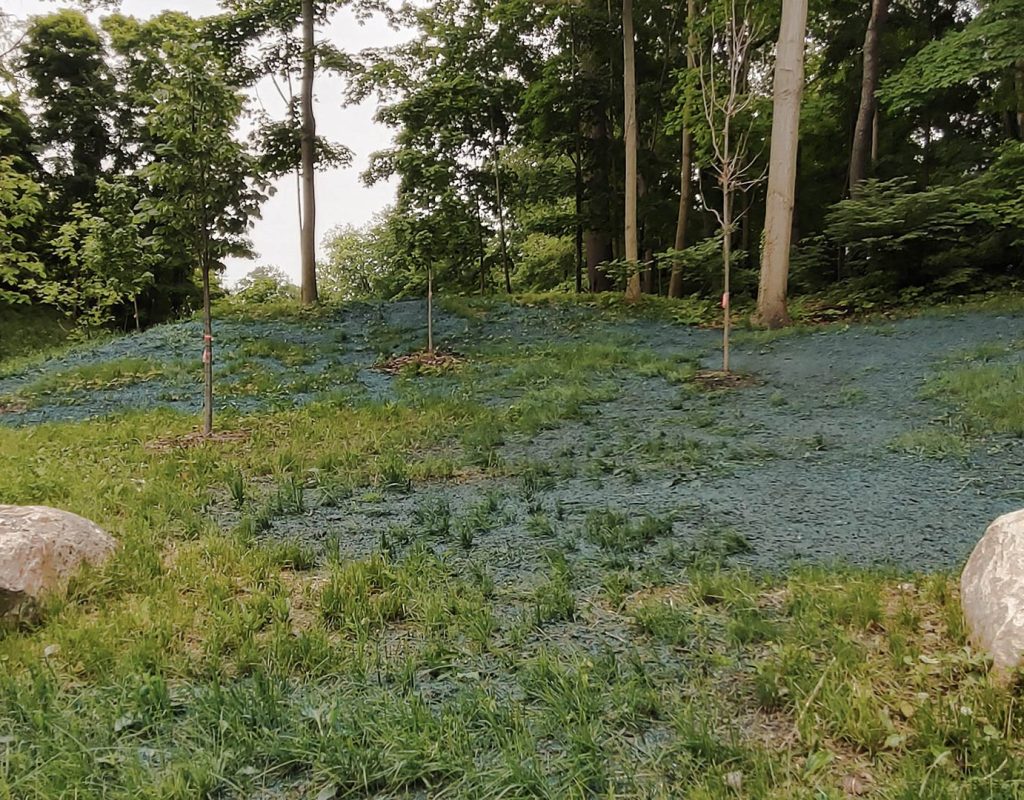
- Planting grass or hydroseeding
- Sod installation
- Stone/rock installation
- Swales and drainage channels
- Retaining or slope stabilization solutions
Erosion control is not just about appearance. It protects infrastructure, improves safety, supports healthy vegetation, and helps prevent ongoing site deterioration.
For municipalities, sports complexes, schools, commercial properties, and construction sites, erosion control is an important part of responsible land management.
Drainage
Poor drainage is one of the most common reasons landscapes fail. When water does not flow properly across or through a site, it can cause soft ground, standing water, turf damage, erosion, mud, ice buildup, and long-term soil problems.
Drainage remediation focuses on redirecting water away from problem areas and guiding it where it can safely drain or be absorbed.
Drainage solutions may include:
- Regrading the site
- Installing swales
- Improving soil permeability
- Adding drainage stone
- Installing catch basins or drainage tiles
- Creating proper slope away from structures
- Redirecting runoff
- Repairing low spots
Drainage work is especially important for sports fields, playgrounds, pathways, parking areas, parks, commercial properties, and any space with frequent foot traffic.
When drainage is corrected properly, the land becomes easier to maintain, safer to use, and better able to support turf, plants, and infrastructure.
Revegetation
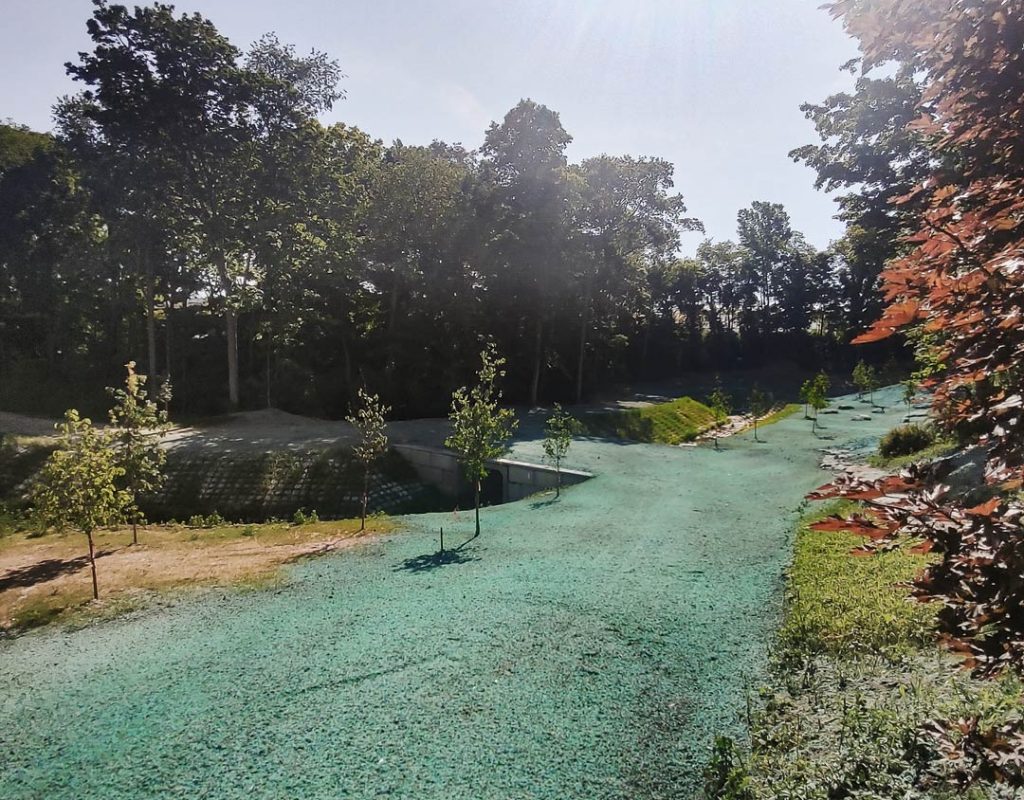
Revegetation is the process of re-establishing plant growth on disturbed, damaged, or bare land. This may include seeding, hydroseeding, sodding, planting native grasses, installing trees and shrubs, or restoring naturalized areas.
Revegetation helps stabilize the soil, reduce erosion, improve appearance, support biodiversity, and return the site to a functional condition.
It is commonly used after:
- Construction activity
- Excavation
- Drainage work
- Soil correction
- Erosion damage
- Land clearing
- Trail or park development
- Slope repair
Choosing the right vegetation is important. Some sites need durable turf for active use, while others may benefit from native grasses or deep-rooted plants.
No matter which variety of vegetation is used, successful revegetation of a piece of land is dependent on proper soil preparation, grading, watering, and establishment care.
Preventing Environmental Problems Before They Start
The best environmental remediation strategy is prevention. Many soil, drainage, and erosion issues can be reduced or avoided with proper planning before construction, landscaping, or site development begins.
Preventative measures may include:
- Reviewing site grades before work starts
- Planning for proper water flow
- Protecting existing vegetation where possible
- Using erosion control during construction
- Avoiding unnecessary soil compaction
- Installing drainage before finished surfaces are added
- Choosing the right soil and turf products for the site
- Stabilizing slopes early
- Maintaining vegetation after installation
Preventative environmental work can save property owners and municipalities significant time and money. It is usually easier and more cost-effective to prevent erosion, drainage failure, or poor soil performance than to repair the damage later.
Government Funding for Environmental Remediation
Depending on the property type, location, and project scope, government funding or financial support may be available for certain environmental remediation projects, especially brownfield redevelopment.
A brownfield is generally a vacant or underused property where previous industrial or commercial activity may have caused contamination. In Ontario, the Brownfields Financial Tax Incentive Program helps municipalities provide tax assistance to support the cleanup and reuse of brownfield properties.
The Federation of Canadian Municipalities’ Green Municipal Fund also provides brownfield redevelopment resources, including roadmaps that help municipalities and their partners understand the process, legislation, and possible funding opportunities. For Ontario specifically, the Green Municipal Fund has a Brownfield Roadmap designed to help municipalities and partners navigate redevelopment steps, regulations, and funding options.
Funding availability can change each year, and eligibility often depends on the municipality, property classification, environmental assessments, project goals, and whether the site is being redeveloped for community, commercial, housing, or public use. Visit our Environmental Funding page for more organizations that provide grants and other financial support for environmental remediation projects in Canada.
Why Environmental Remediation Matters
Environmental remediation services help turn problem sites into usable, stable, and healthier spaces. Whether the issue is poor soil, erosion, drainage failure, damaged turf, or possible contamination, proper remediation protects the land and improves long-term performance.
For commercial properties, parks, sports fields, schools, municipalities, and development sites, remediation is more than a repair service. It is an investment in safety, sustainability, and future usability.
By identifying the root cause of the problem and applying the right solution in a timely manner, environmental remediation helps create outdoor spaces that are stronger, cleaner, and better prepared for long-term use.
Frequently Asked Questions About Environmental Remediation
What are the main signs that a site needs environmental remediation?
Environmental remediation is typically needed when land shows signs of instability, erosion, or contamination. Key warning signs include pooling water or poor drainage, soil washing away from slopes, bare patches where plants won’t grow, mud tracking onto pavement, and exposed tree roots. Early intervention helps prevent safety hazards and costly long-term repairs.
How does erosion control fit into environmental remediation?
Erosion control is a critical part of environmental remediation that prevents wind, water, and human activity from washing away topsoil and damaging surrounding infrastructure. Common erosion control methods include proper grading, hydroseeding, sod installation, silt fencing, swales, and erosion control blankets.
Are there government grants or funding available for remediation projects in Canada?
Yes, depending on the site location and scope, financial support is often available, especially for brownfield redevelopment (vacant or underused commercial/industrial sites). In Canada, options include the Federation of Canadian Municipalities’ Green Municipal Fund and Ontario’s Brownfields Financial Tax Incentive Program, which provide tax assistance, roadmaps, and grants for site cleanup and reuse.