
Getting to the Root of the Problem
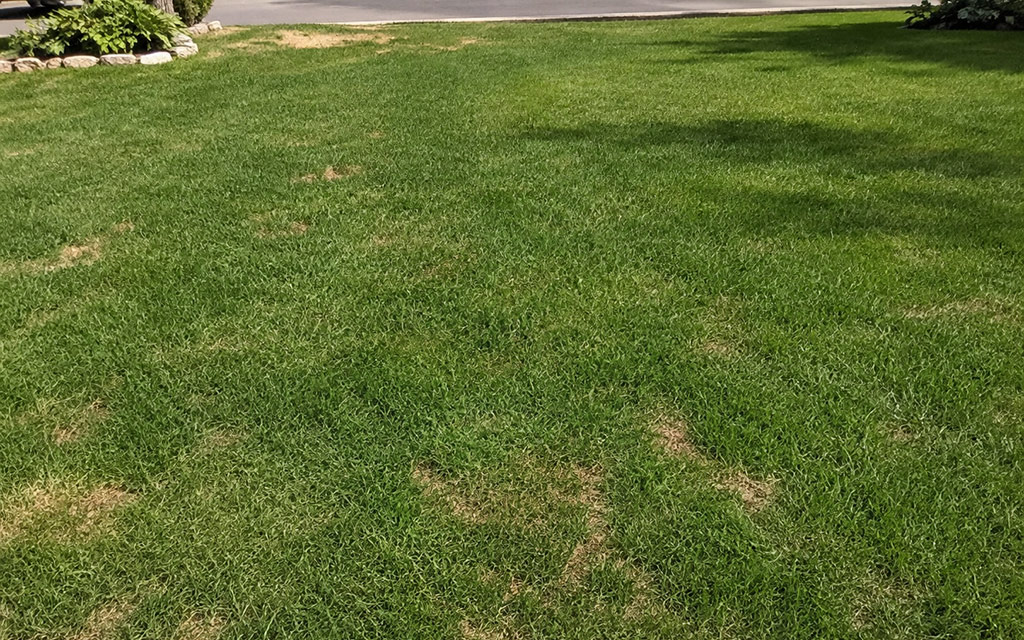
We know how frustrating it can be to invest time, effort, and money into your landscaping, only to walk outside and see random brown spots cropping up on your carefully manicured lawn. One day the grass looks healthy, and then BAM! You’ve got brown spots.
The tricky thing is that there are many reasons for brown spots to be showing up on your turf. Sometimes it’s the weather. Sometimes it’s water. Sometimes it’s what’s happening under the soil translating to brown grass up above. The good news is that once you understand the most common causes, it becomes much easier to figure out what your lawn is trying to tell you.
Below, we’ll go through some of the main reasons your grass may be developing brown spots and the other signs to look out for.
1
Drought & Heat Stress
We’ll start with the obvious. Hot weather can be hard on grass, especially during long stretches without rain. When your lawn does not get enough water, it can start to turn brown as a way of protecting itself. This is called drought stress.
You may notice the grass looking dull, dry, or slightly grey before it turns brown. Footprints may also stay visible longer than usual after walking across the lawn. That’s usually a sign the grass is struggling and needs moisture.
Heat stress is especially common in areas that get full sun all day, along driveways or sidewalks, or on slopes where water runs off quickly. These areas tend to dry out faster than the rest of the lawn.
In some cases, the grass is not dead — it is dormant. Once cooler weather and regular moisture return, there’s a good chance it may green up again. But if drought stress lasts too long, the lawn can thin out and become more vulnerable to weeds, insects, and disease.
2
Irrigation Complications
Watering sounds simple, but irrigation issues are one of the most common causes of brown spots. A lawn can have brown patches because it’s getting too little water, too much water, or uneven water coverage.
If sprinkler heads are blocked, misaligned, clogged, or not reaching certain areas, some parts of the lawn may dry out while others stay green. This can create random-looking brown spots that follow the pattern of the irrigation system.
Overwatering can also cause problems. Too much water can weaken the roots, encourage disease, and create soft, soggy areas that struggle to stay healthy. Grass needs moisture, but it also needs oxygen in the soil.
A good first step is to watch your irrigation system while it runs. Look for dry zones, overspray, pooling water, or areas where the sprinklers are missing the lawn completely. Sometimes a small adjustment can make a big difference in solving your brown spot problem.
3
Drainage Issues
Poor drainage can also lead to brown spots. When water sits in one area for too long, the soil can become saturated. This can suffocate the roots and create conditions where grass has a hard time growing.
You may notice drainage-related brown spots in low areas of the lawn, near downspouts, along compacted pathways, or anywhere water naturally collects after rain. These areas may feel soft, muddy, or spongy compared to the rest of the yard.
Too much standing water can also encourage lawn diseases, moss, and shallow root growth. Over time, the grass becomes weaker and less able to handle stress.
If drainage is the issue, the solution may involve improving the grade, redirecting water, aerating compacted areas, adding soil amendments, or installing proper drainage depending on how severe the problem is.
4
Diseases That Can Cause Brown Spotting
Lawn diseases can also create brown patches, especially when conditions are warm, humid, or overly wet. Fungal problems can spread through the lawn and create spots, rings, or irregular patches of damaged grass.
Some lawn diseases show up as small brown areas that slowly expand. Others may create circular patches, yellowing blades, or grass that looks thin and weak. You may also notice the problem getting worse after periods of rain, heavy dew, humidity, or overwatering.
Disease is more likely to occur when the lawn is already stressed; poor air circulation, too much shade, excessive watering, heavy thatch, and compacted soil can all make it easier for disease to take hold and wreak havoc.
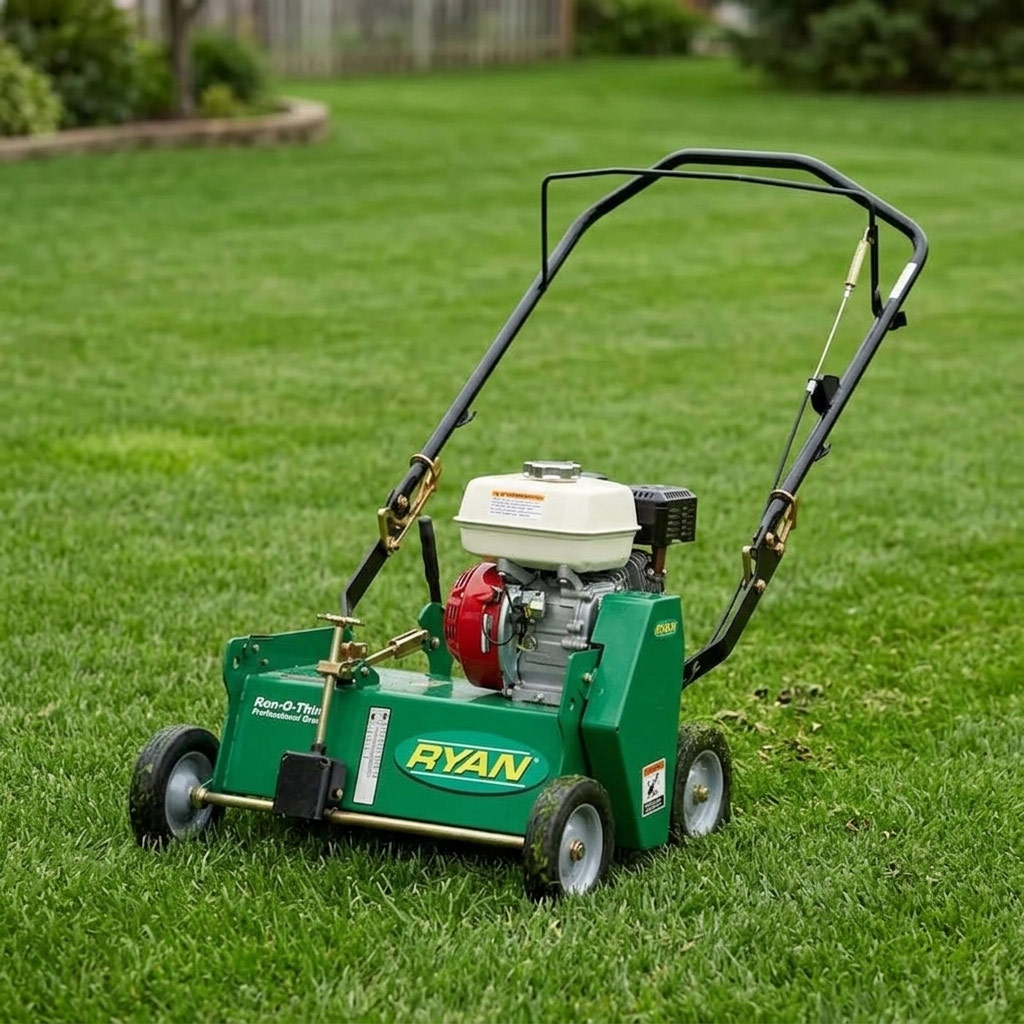
The best approach is to identify the conditions causing the disease in the first place. Improving watering habits, using a lawn de-thatcher, lawn aerator, and encouraging stronger root growth through fertilization can all help reduce the chance of recurring brown spots.
5
Insects That Cause Root Damage
Sometimes the real problem is happening below the surface. Insects that feed on grass roots can cause brown patches because the lawn is no longer able to pull up enough moisture and nutrients.
Root-feeding insects like White Grubs can make grass feel loose or easy to pull up. In more severe cases, the turf may lift almost like a piece of carpet because the roots have been damaged underneath.
You may also notice animals digging in the lawn. Skunks, raccoons, and birds are often attracted to grubs and other insects in the soil. If your lawn suddenly has brown patches and digging damage, insects below the surface could be part of the problem.
Because insect damage can spread, it is important to inspect the lawn early. Pull back a small section of damaged turf and check the soil and root zone. If you are not sure what you are looking at, a Quality Turf lawn care professional can help identify the issue and recommend the right solution.
6
Soil Compaction
Grass roots need space, air, and water to grow properly. When soil becomes compacted, the roots have a harder time spreading out and getting what they need. Over time, this can lead to weak, thin, or brown patches.
Soil compaction is common in high-traffic areas. If kids, pets, equipment, or regular foot traffic are constantly moving across the same part of the lawn, the soil underneath can become packed down.
You may notice compacted areas near walkways, gates, patios, playgrounds, driveways, or common shortcuts across the yard. These areas often dry out faster because water cannot soak in properly. Instead, it may run off or sit on the surface.
Aeration can help relieve compaction by opening up the soil and allowing air, water, and nutrients to reach the roots. This gives the lawn a better chance to recover and grow thicker over time.
7
Damage From Pets
Pets can also cause brown spots, especially dogs. Urine contains nitrogen and salts that can burn the grass when concentrated in one area. This often creates small brown spots surrounded by darker green grass.
Pet damage is usually easy to spot because the patches often appear in areas where the pet regularly goes. The spots may be round, repeated in the same section of the yard, and more noticeable during dry or hot weather.
The best way to reduce pet damage is to water the area shortly after use, train pets to use a specific section of the yard, or repair affected spots with fresh soil and seed when needed.
Pet traffic can also contribute to wear and compaction. Running, digging, and repeated use of the same area can weaken the grass and create bare or brown patches over time.
How to Figure Out What’s Causing Your Brown Spots
Brown spots are not always caused by just one thing. A dry area might also have compacted soil. A drainage issue might lead to disease. A stressed lawn might become more vulnerable to insects.
Start by looking at where the brown spots are showing up. Are they in sunny areas? Low wet areas? High-traffic areas? Near pet zones? Along sprinkler patterns? The location of the damage can tell you a lot.
Then look at the condition of the soil and grass. Is the area dry and hard? Wet and soft? Easy to pull up? Thin and patchy? These small details can help narrow down the cause.
Bring Your Lawn Back to Life
Brown spots can be frustrating, but they are also a sign that your lawn is trying to tell you something. Whether the issue is drought, watering problems, poor drainage, disease, insects, compaction, or pets, the first step is understanding the cause.
Once you get to the root of the problem, you can take the right steps to correct and prevent it from becoming a repeat occurrence.
A healthy lawn starts with healthy soil, sufficient watering, good drainage, and strong roots. Pay attention to the early signs of brown spots, act before the damage spreads, and your grass will have a much better chance of staying green, thick, and healthy throughout the growing season. And if you’d like to get a professional opinion, the lawncare experts at Quality Turf are always happy to help. Visit our website to book a consult today.
Frequently Asked Questions About Lawn Brown Spots
How can I tell if a brown spot is dead or just dormant?
The easiest way to check is the tug test. Grab a handful of the brown grass and pull gently. If it resists and stays firmly rooted, the grass is likely just dormant from drought or heat stress and will green up with watering. If it pulls out easily with no resistance or lifts up like a piece of carpet the roots are dead, which is a common sign of insect damage or disease.
Why does my brown spot have a ring of dark green grass around it?
This is a classic indicator of pet urine damage. Dog urine is highly concentrated in nitrogen. Where the urine is strongest in the center, it burns the grass and turns it brown. However, as the urine dilutes toward the edges, it actually acts as a fertilizer, creating a lush, dark green ring around the dead spot.
Will grass grow back after a fungal disease or brown patch?
It depends on the grass type and severity. Perennial Ryegrass and Fescue may need to be aerated and overseeded in the fall because fungal diseases can kill the entire plant. Spreading grasses like Kentucky Bluegrass or Bermuda often recover and fill back in on their own once the fungus is treated and proper watering habits are restored.