Environmental Funding

Connecting your ecological restoration goals with available Canadian funding.

Financial support for your environmental restoration projects

Restoring nature is important for many reasons and at Quality Turf we are always in favour of growing more green spaces.

Revitalizing disturbed or damaged land can sometimes become costly, but there are many organizations that help financially support these critical projects each year. Below are some of the funding options available in Canada that may be applicable to your unique project.

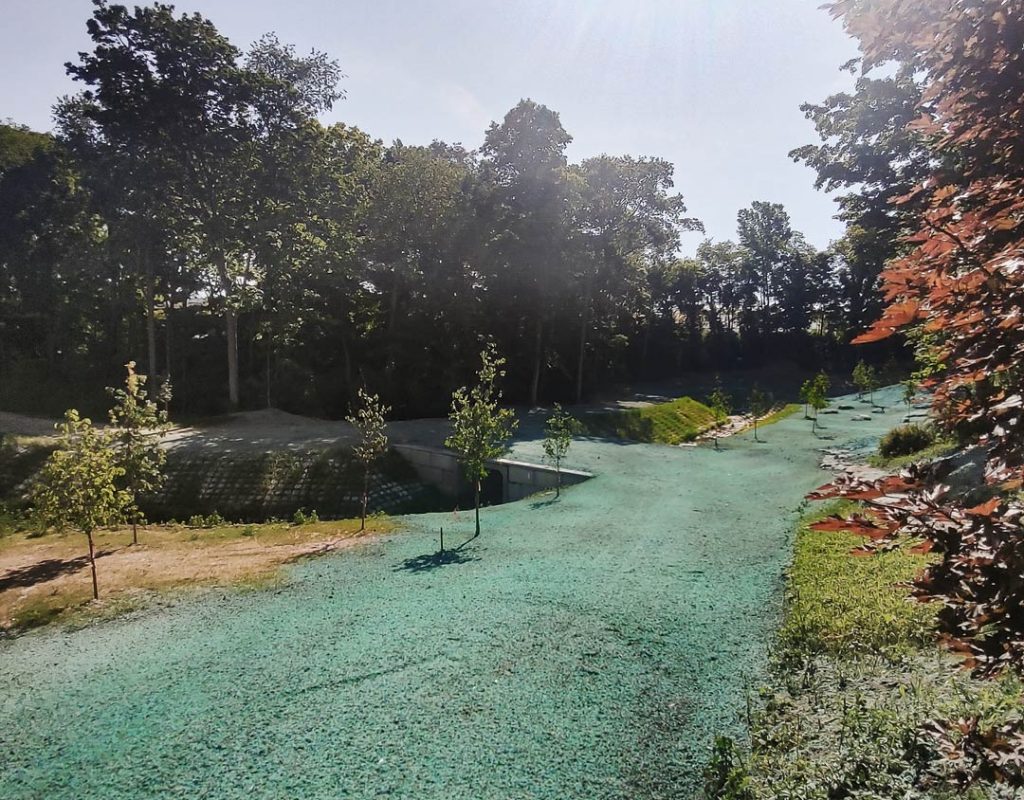
Environmental-Funding-road
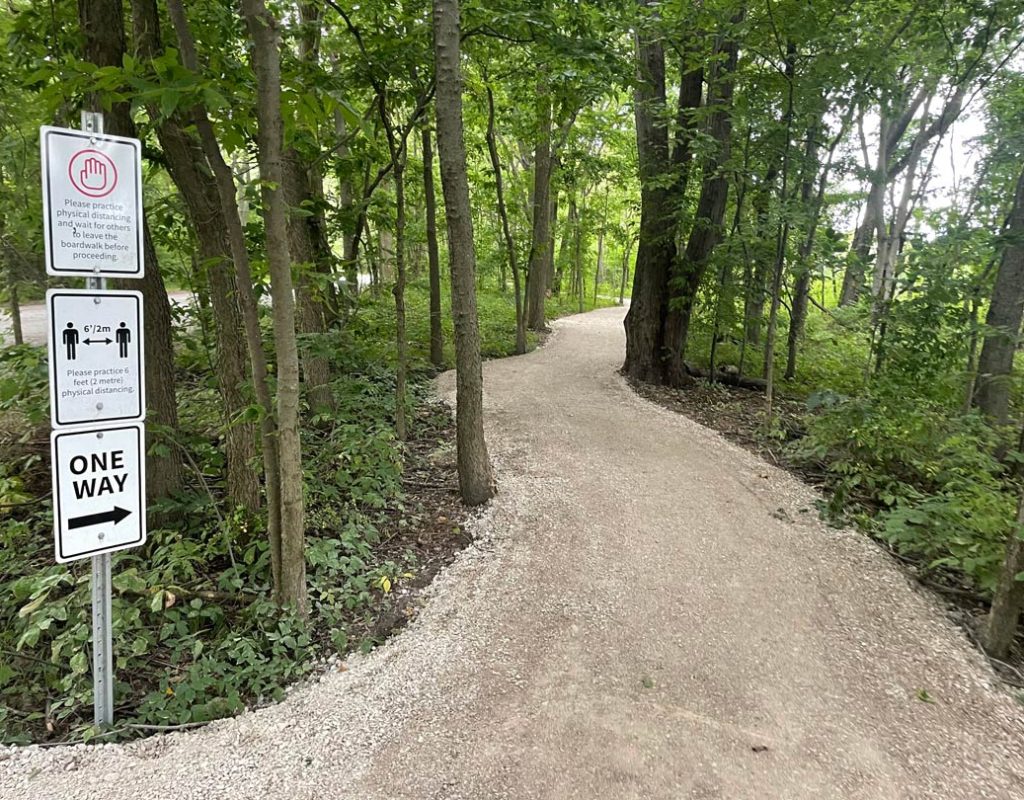
Environmental-Funding-path

Financial Support for Your Project

Revitalizing disturbed land can be costly, but financial assistance is available. Explore federal, provincial, and regional programs across Canada that offer grants and cost-sharing for environmental restoration projects.

Grants, Green Space & Groundwork: Your Questions Answered

Most Canadian environmental programs focus on projects that restore natural ecosystems, enhance biodiversity, or reduce soil erosion. Common funded projects include wetland expansion, riverbank and shoreline stabilization, brownfield and disturbed land revitalization, native grassland establishment, and reforestation.

Most capital and land-restoration grants allow for direct material costs, including native seed mixes, turf rolls, bio-engineering supplies, and soil stabilization materials, as eligible expenses. Quality Turf can provide detailed product specifications and cost breakdowns to support your grant application budget.

Ideally, you should explore and apply for grant opportunities during the initial design and budgeting phase, before any site work begins. Most grant programs do not cover costs retroactively for work that has already been executed. Securing funding early also allows us to customize seed and turf specifications to meet exact program compliance guidelines before deployment.
Depending on the specific program, eligible applicants typically include municipalities, non-profit conservation groups, Indigenous communities, agricultural landowners, and private land developers.

Scroll to Top