
Getting Your Yard Ready Before the Freeze
November is that awkward time of year when autumn is hanging on by a thread and winter is just around the corner. One day you’re raking leaves in a sweater, and the next you’re scraping frost off your windshield. Welcome to November in Ontario!
While landscaping might not be top of mind once the temperatures start dropping, November is actually an important month for protecting your lawn, gardens, trees, and outdoor spaces before winter arrives.
But here’s the catch: not every landscaping task is beneficial this late in the season. Some maintenance activities can improve your property’s health and appearance come spring, while others can do more harm than good.
So, before you put away your gardening gloves and lawn equipment for the season, here’s a breakdown of what you should—and definitely should not—be doing in November.
1
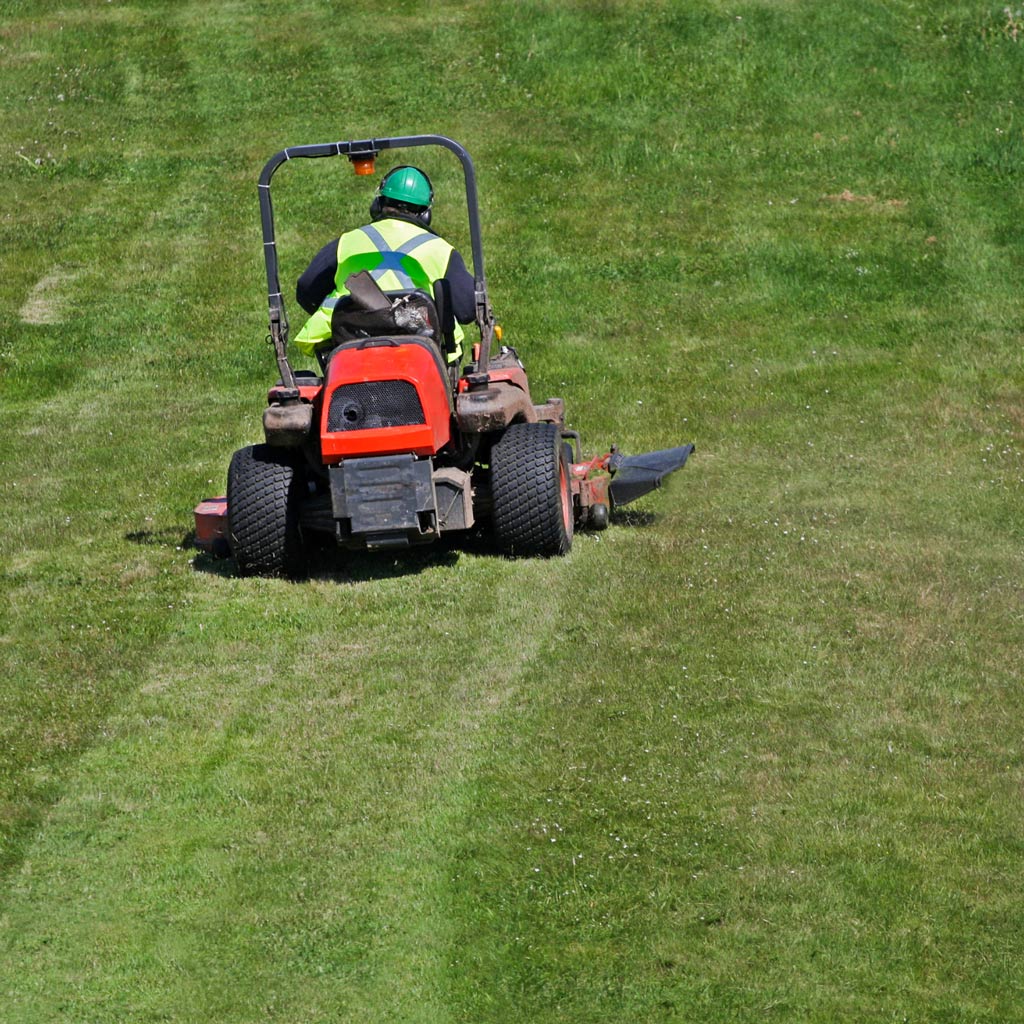
DO: Give Your Lawn Its Final Cut Before Winter
Wondering when to stop mowing your lawn in Ontario? The answer has more to do with grass growth and weather conditions than a specific date on the calendar.
Most cool-season grasses commonly found in Ontario lawns, including Kentucky bluegrass, perennial ryegrass, and fescue, continue growing during cooler fall weather. Once temperatures consistently drop and grass growth slows to a stop, it’s time for the final mow of the season. You’ll need to pay attention over the course of a week to notice when your grass stops growing.
For your last grass cut before winter, aim for a height of approximately 2–2.5 inches (5–6.5 cm), depending on your grass type and its condition.
Why does it matter?
Grass left excessively long can become flattened beneath snow, trapping moisture and creating conditions favourable to fungal diseases such as snow mould. On the other hand, cutting grass too short can stress the turf and reduce its ability to withstand winter conditions.
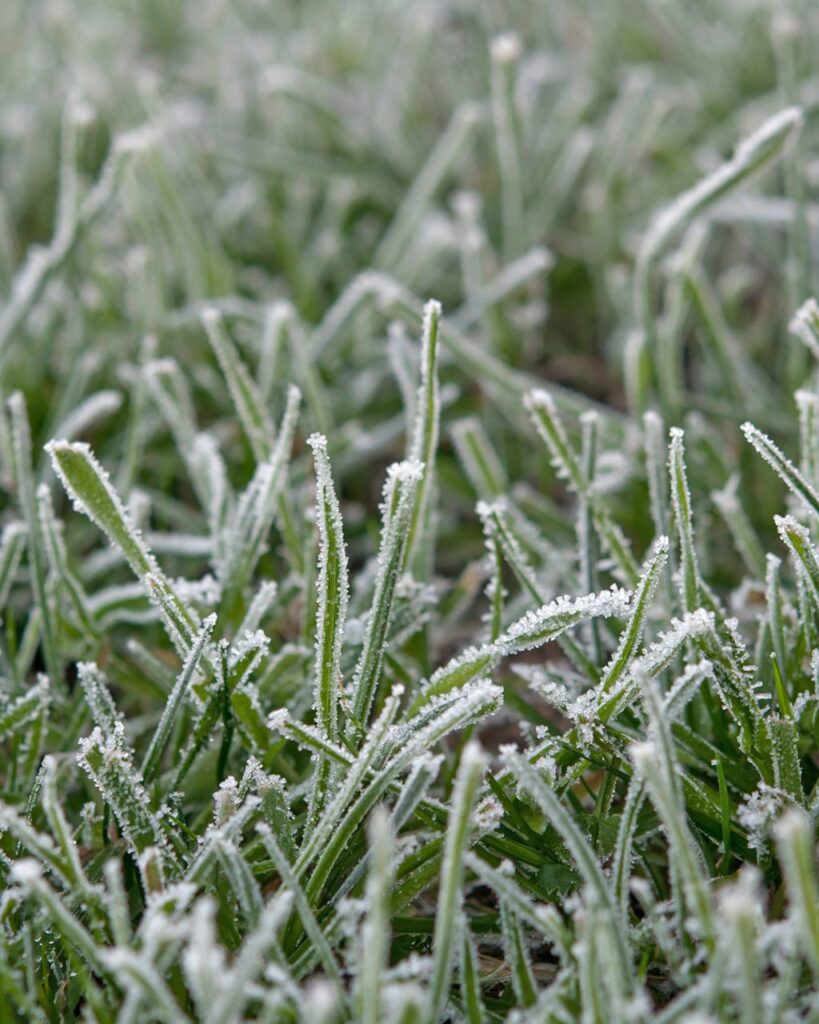
DON'T: Mow Frozen, Frost-Covered, or Waterlogged Grass
If your lawn is covered in frost or the ground is saturated, leave the mower in the shed. Walking or operating heavy equipment on vulnerable turf can leave behind ruts that become a springtime headache. A little patience now can prevent unnecessary lawn repairs later.
2
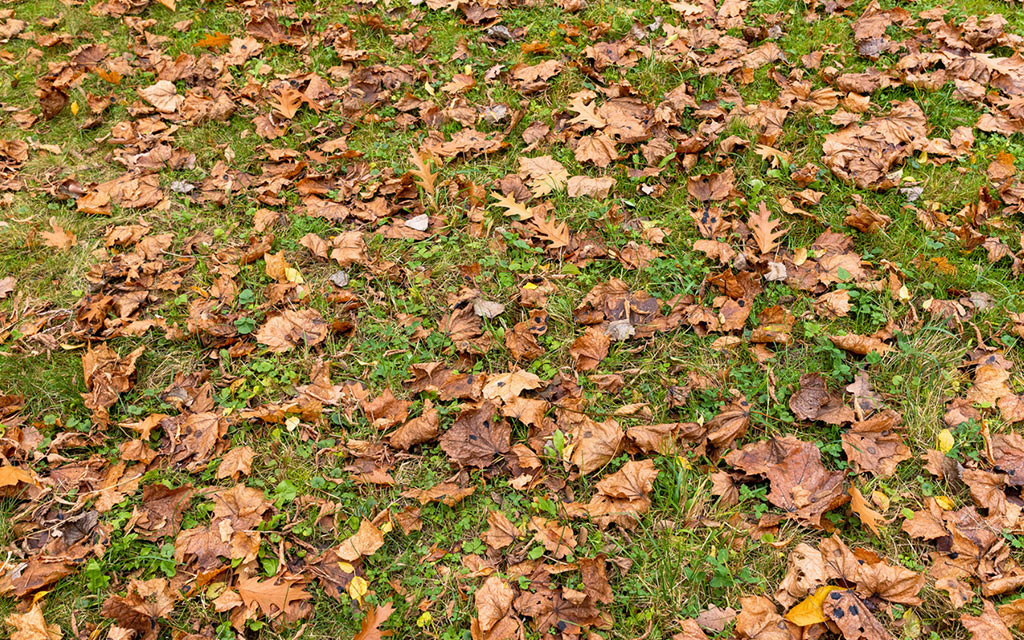
DO: Remove Excess Fallen Leaves from Your Lawn
We get it. Raking leaves isn’t exactly everyone’s favourite fall activity, especially when it seems like more leaves appear five minutes after you’ve finished.
However, fall leaf cleanup is one of the most important November lawn maintenance tasks.
A thick blanket of wet leaves can block sunlight, restrict airflow, and trap moisture against the grass. Left beneath winter snow, these conditions can contribute to snow mould and weakened patches of turf.
Keep your lawn healthy by regularly removing heavy accumulations of leaves, particularly in shaded areas where moisture tends to linger.
You don’t necessarily need to bag every leaf, either! A lawn mower with a mulching function can shred light layers of leaves into small pieces that decompose and return organic matter to the soil.
DON'T: Remove Every Leaf from Your Entire Property
While thick piles of leaves aren’t good for your lawn, fallen leaves can be beneficial in garden beds and naturalized areas.
A moderate layer of shredded leaves can help insulate soil, conserve moisture, and provide winter habitat for beneficial insects.
The trick is knowing where leaves are helpful and where they may cause problems. Keep turf clear of heavy accumulations, but consider putting those fallen leaves to work elsewhere in your landscape.
3
DO: Apply Fall Lawn Fertilizer—If Conditions Are Right
One of the most commonly asked lawn care questions this time of year is: Is November too late to fertilize my lawn?
Not necessarily!
In southern Ontario, late October and early November can still offer an opportunity for a final fall fertilizer application, provided the grass remains physiologically active and the ground hasn’t frozen.
Fall fertilization helps replenish nutrients after the growing season and supports the turf’s ability to store energy for winter and spring recovery.
Unlike summer lawn care, which often focuses on maintaining active top growth, late-fall fertilization is primarily about supporting plant health as grass transitions into dormancy.
A suitable fertilizer program may include nitrogen to support carbohydrate storage and potassium where soil testing identifies a need.
DON'T: Apply Fertilizer to Frozen Ground or Dormant Turf
If your lawn has already entered winter dormancy or the ground is frozen, it’s generally too late for a conventional fall feeding.
Applying fertilizer under unsuitable conditions can reduce nutrient uptake and increase the risk of runoff into storm drains and nearby waterways.
For the best results, follow soil-test recommendations, product instructions, and applicable local fertilizer requirements. When in doubt, save the treatment for a more suitable growing-season window.
4
DO: Protect Trees, Shrubs, and Garden Beds from Winter Damage
Your lawn isn’t the only part of your landscape preparing for winter.
Trees, shrubs, and perennial plants also benefit from a little attention before freezing temperatures settle in.
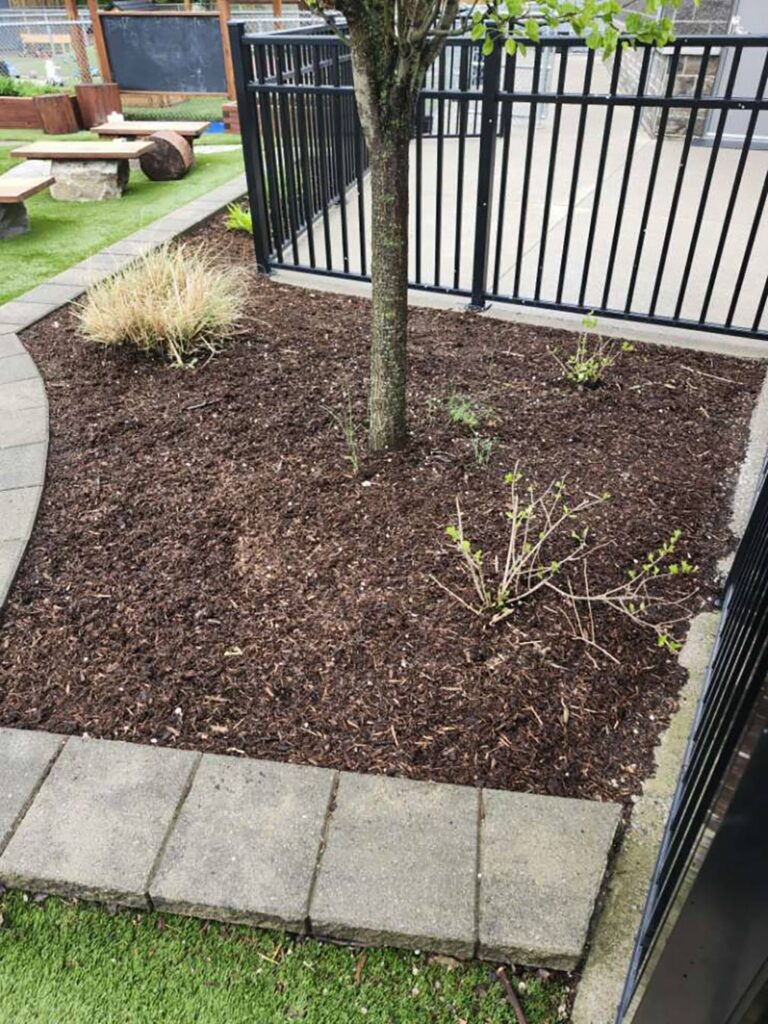
November is a great time to check the condition of your garden beds, apply protective mulch where appropriate, and prepare vulnerable plants for winter weather.
- Apply organic mulch: A layer of organic mulch around trees and shrubs can help moderate soil temperatures and reduce moisture loss. Just remember to keep mulch away from trunks and stems to prevent excess moisture buildup and potential rot.
- Deep watering: Newly planted trees and shrubs should also receive adequate water before the ground freezes, particularly evergreen varieties that continue losing moisture through their foliage during winter.
- Trunk protection: Young trees may benefit from protective trunk guards to prevent damage from rabbits, rodents, and other hungry wildlife.
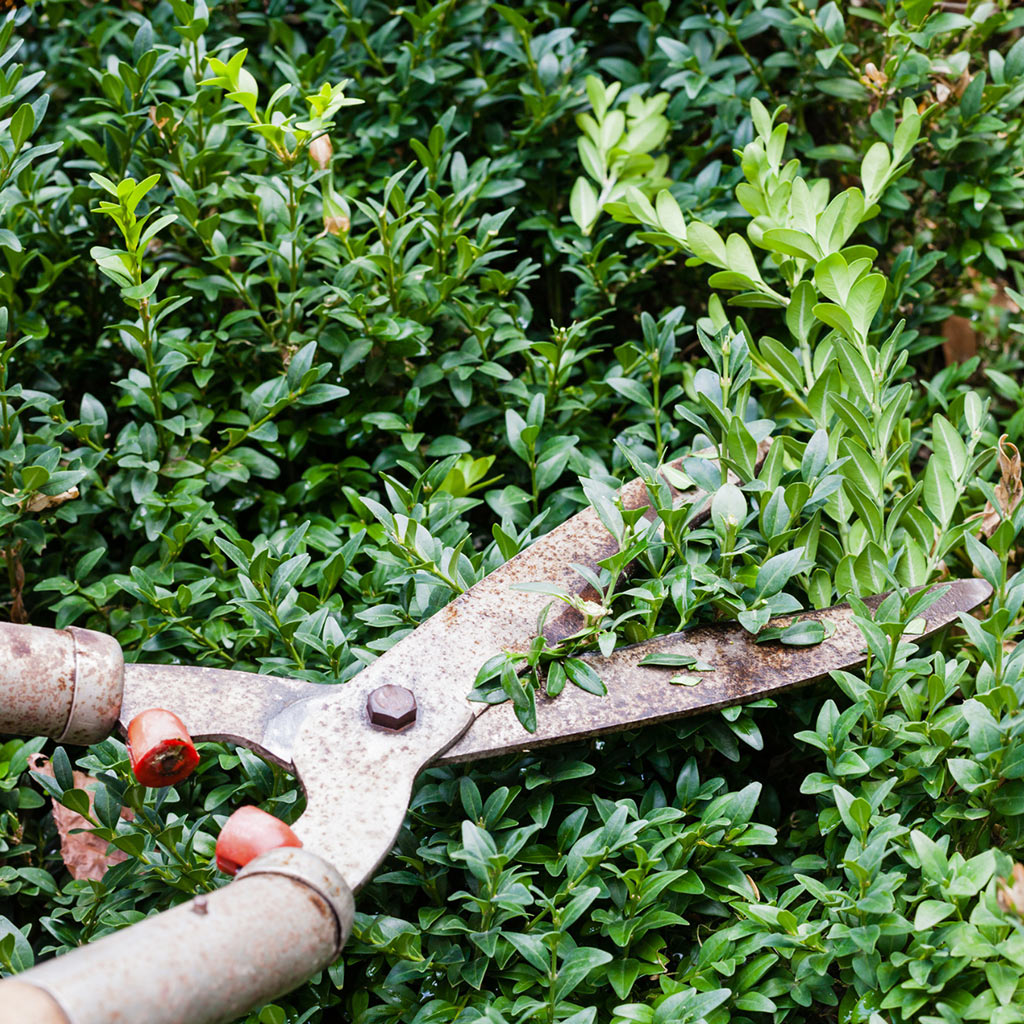
DON'T: Aggressively Prune Trees and Shrubs Without Considering the Species
Just because the leaves have fallen doesn’t mean every tree and shrub is ready for a haircut. Heavy pruning at the wrong time can remove next year’s flower buds, expose sensitive plant tissue, or create unnecessary stress.
Spring-flowering shrubs, for example, often develop their flower buds during the previous growing season. Pruning these plants in November can mean fewer flowers next spring.
Many deciduous trees are suitable for pruning during dormancy, but the ideal timing varies by species and the type of work required. When in doubt, leave major pruning to a qualified professional who understands the needs of your landscape.
5
DO: Winterize Your Irrigation System and Outdoor Equipment
Before temperatures consistently fall below freezing, make sure your outdoor water systems are properly prepared:
- Drain garden hoses
- Shut off outdoor water connections
- Winterize underground irrigation systems
Water left inside irrigation lines, valves, and sprinkler heads can freeze and expand, potentially damaging the system and leading to expensive repairs in the spring that could have been easily prevented in the fall.
DON'T: Leave Irrigation Lines or Equipment Exposed to Freezing Temperatures
Putting off winterization until the first major snowfall can be a costly mistake. Once freezing temperatures arrive, exposed water lines and irrigation components become vulnerable to damage.
The best approach is to finish winter preparation before prolonged freezing conditions begin—not after.
6
DO: Start Planning Next Year's Landscape Projects
Just because the growing season is winding down doesn’t mean your landscaping plans need to stop. In fact, November is an excellent time to start planning spring landscaping projects.
Whether you’re considering a complete property transformation, commercial landscape installation, lawn restoration, drainage improvements, or a new hardscaping project, early planning gives you time to evaluate your options, create a realistic budget, and get on your landscaper’s calendar early.
For commercial property managers, municipalities, and facility operators, this is also an opportunity to review the year’s maintenance performance and identify areas that require improvement.
Planning ahead can help with project scheduling, contractor availability, material sourcing, and the coordination of larger installations.
DON'T: Wait Until Spring to Start Thinking About Spring Landscaping
It’s easy to forget about outdoor spaces when everything is covered in snow. But once warmer weather returns, landscaping companies quickly become busy with property cleanups, installations, repairs, and seasonal maintenance.
Waiting until the last minute may leave you with fewer scheduling options and less time to coordinate a successful project. Getting started now means you’ll be ready to move forward when conditions are right.
Know What Your Landscape Needs, and When
November might be the end of the landscaping season, but the final effort you make this month can make a noticeable difference when spring finally returns.
From protecting your lawn against winter damage to knowing when not to fertilize, thoughtful fall landscape maintenance helps protect the time and money you’ve already invested in your property.
The most important thing to remember? Successful landscaping isn’t just about knowing what to do—it’s also about knowing the best time to do it.
At Quality Turf, we understand that healthy, attractive outdoor spaces require year-round planning and professional care. Whether you’re preparing a commercial property for winter, addressing drainage concerns, or planning a major landscape installation for next season, our team is here to help.
Get ahead of next year’s landscaping season. Contact Quality Turf to discuss your property’s needs and start planning your next project.