

Why Fall is the Ultimate Time for Yard Care
October is one of the most important transition months for your landscape. The intense heat of summer is over, cooler weather is on the way, and your lawn, gardens, trees, and shrubs all need a little attention before the cold settles in.
Taking care of a few key landscaping tasks now can improve the appearance of your property through the fall while also helping your landscape enter the winter months in good health. Even better, the work you do in October can make a noticeable difference when everything starts growing again next spring.
Here’s a practical October landscaping checklist to help you get started.
1
Repair Your Lawn
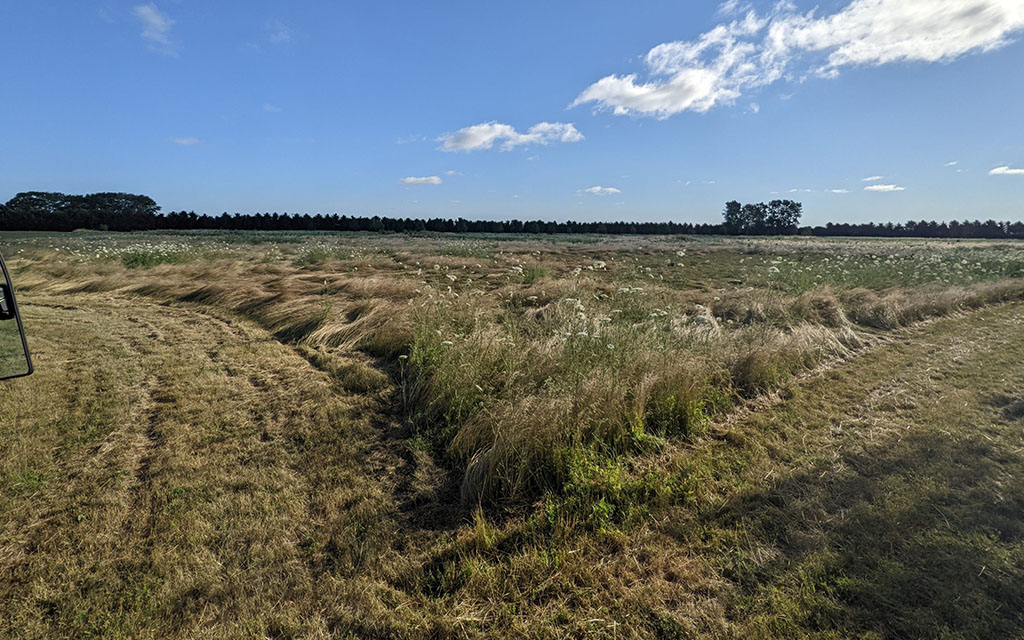
Summer can be tough on grass. Heat, dry weather, increased foot traffic, pets, insects, and regular use can leave lawns looking thin, brown, or patchy by October.
Fall is a great time to assess the damage and give your lawn some extra attention. Cooler temperatures can reduce stress on grass, while there is still enough growing season left for your lawn to recover.
Start by looking for:
- Thin or bare areas
- Brown or damaged patches
- Compacted soil
- Areas with heavy foot traffic
- Uneven growth
- Excessive thatch
Depending on the condition of your lawn, October maintenance may include aeration, overseeding, topdressing, or repairing damaged sections.
Taking care of these issues now can help encourage stronger, thicker grass and reduce the amount of repair work needed next spring.
2
Address Your Drainage Problems
If you’ve noticed standing water, soggy lawn areas, erosion, or water collecting where it shouldn’t, October is a good time to address those drainage problems before winter arrives.
Fall rain can make drainage issues much easier to identify than they were during the dry summer months. After a heavier rainfall, walk around your property and pay attention to where water is moving and where it is collecting.
Look for:
- Water pooling in low areas of the lawn
- Soggy or muddy sections that take a long time to dry
- Water collecting near foundations
- Soil washing away from slopes or garden beds
- Downspouts emptying into problem areas
- Water flowing across walkways or patios
- Blocked drains or catch basins
Drainage issues can become more troublesome as temperatures drop. Standing water can cause lasting damage to turf and plant material, contribute to erosion, and create icy areas once freezing weather arrives.
Depending on the problem, solutions may include improving the grading of the property, redirecting downspouts, installing drainage systems, improving soil conditions, or adding erosion-control materials like erosion control blankets or silt socks.
Addressing drainage problems in the fall can also help to better prepare your property for the inevitable spring snowmelt and heavy rainfall.
3
Plant Trees and Shrubs
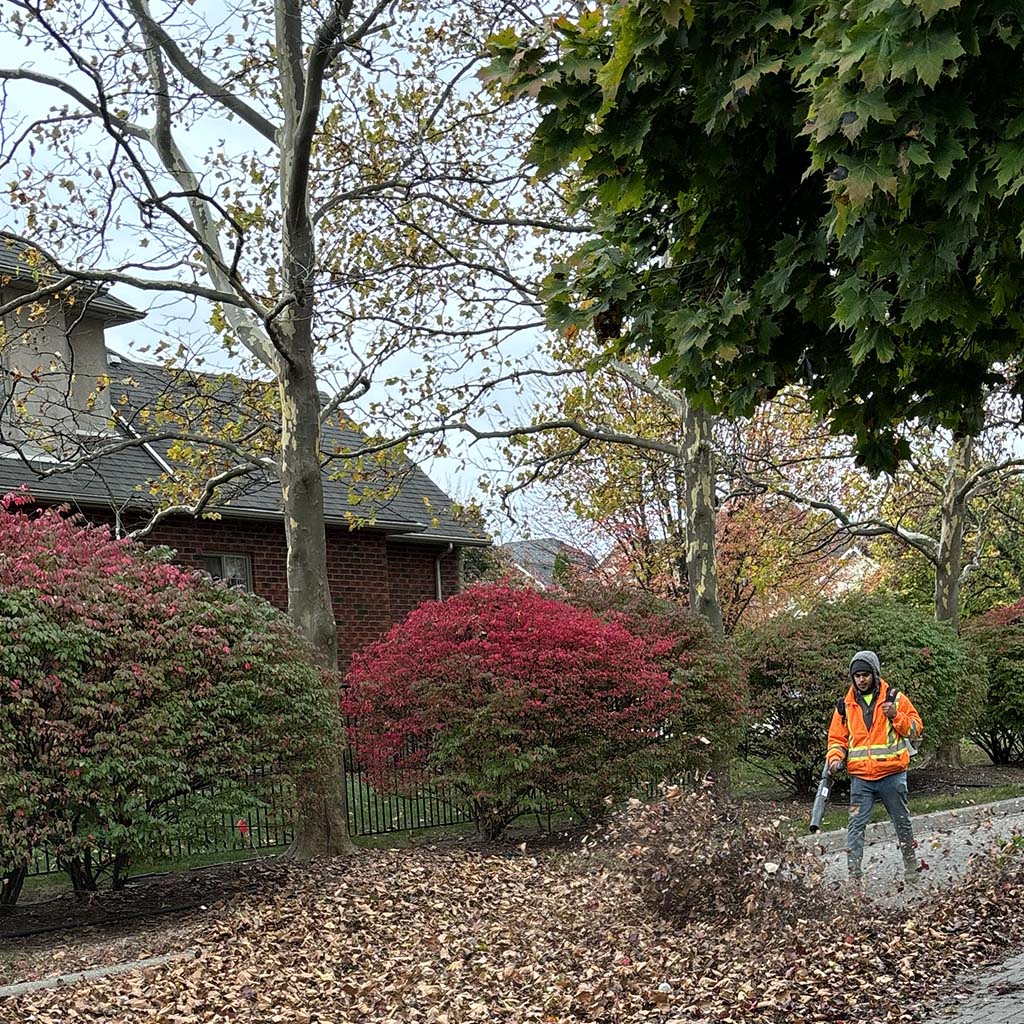
October can be an excellent time to add new trees and shrubs to your landscape.
The cooler temperatures of early fall reduce some of the heat stress associated with summer planting, while the soil is usually still warm enough for roots to continue establishing before winter.
Planting in the fall also means trees and shrubs can focus more of their energy on root development rather than supporting large amounts of new top growth.
When choosing new trees or shrubs, consider:
- The amount of sun or shade the location receives
- Mature plant height and width
- Soil conditions
- Proximity to buildings, walkways, and utility lines
- Maintenance requirements
- How the plant will fit into the overall landscape
Once planted, don’t assume cooler weather means watering is no longer necessary. Newly planted trees and shrubs still need consistent, deep moisture while their roots become established.
A well-planned fall planting can give trees and shrubs a strong start and help them settle into the landscape before next year’s growing season.
4
Continue to Water Trees and Shrubs
Don’t put that garden hose away yet. One of the most common landscaping mistakes in early fall is putting away the hose too soon.
Continue monitoring soil moisture throughout October, particularly during dry periods.
Rather than frequent, shallow watering, trees and shrubs generally benefit from less frequent but deeper watering that allows moisture to reach further into the root zone.
Keeping plants properly hydrated heading into colder weather can help reduce stress and support healthier growth next season.
5
Start Your Fall Cleanup — But Don’t Overdo It
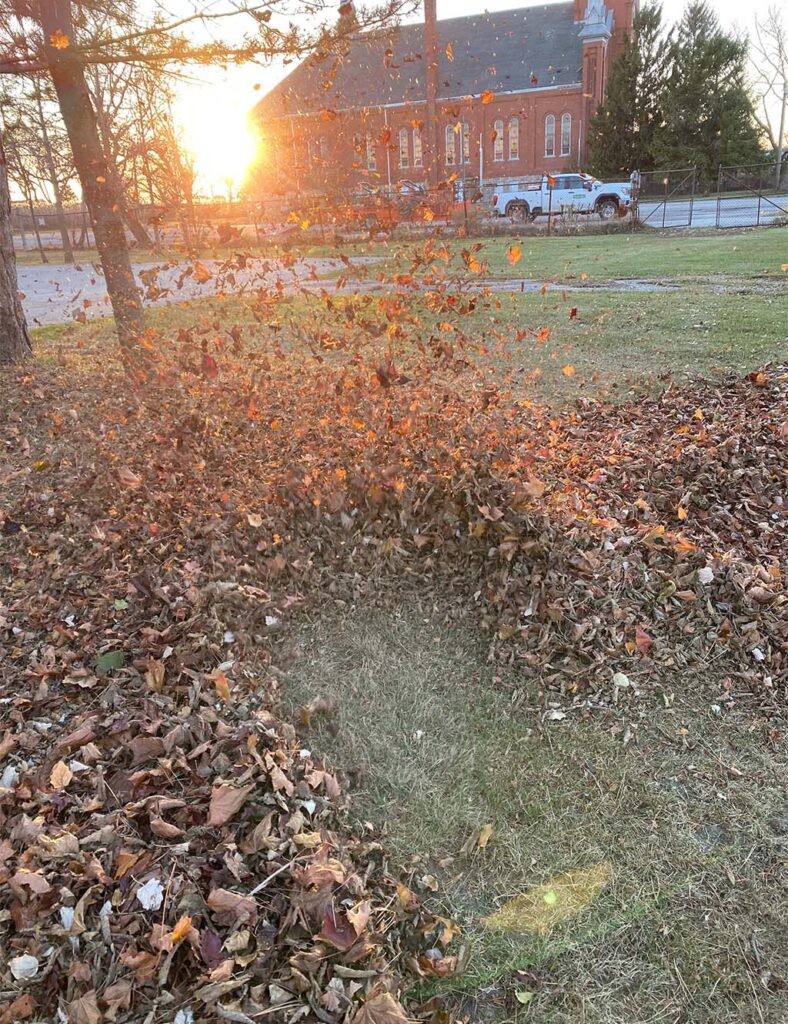
You don’t have to wait until every leaf has fallen to begin cleaning up your landscape.
October is a great time to start removing:
- Dead annuals
- Broken branches
- Fallen debris
- Overgrown weeds
- Diseased plant material
- Unwanted growth around pathways and structures
A gradual cleanup makes larger fall maintenance jobs more manageable and keeps your property looking neat as the seasons change.
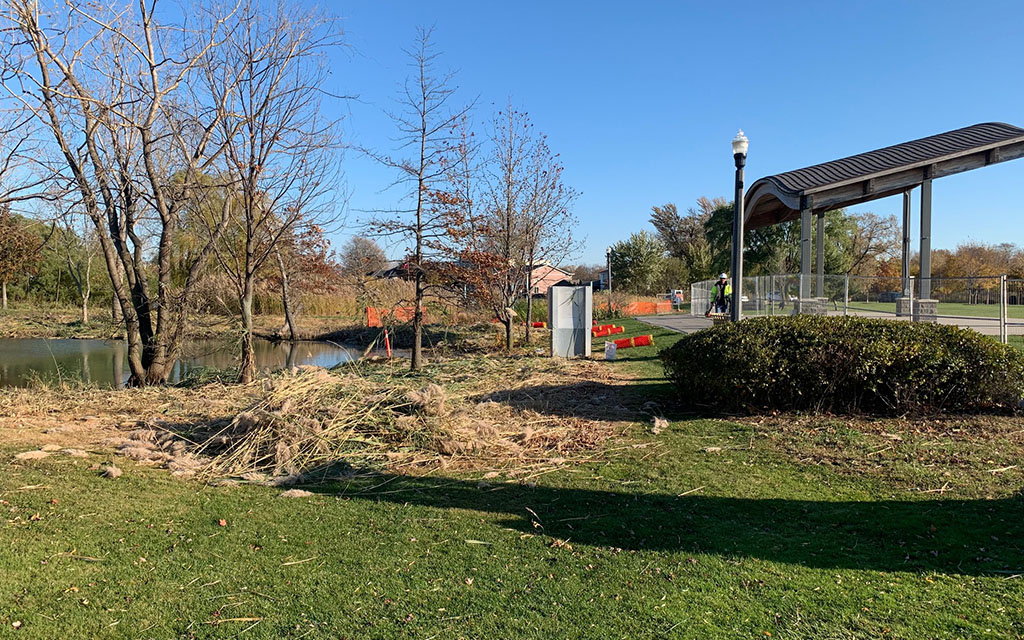
However, not everything needs to be cut down immediately. Some ornamental grasses, seed heads, and perennial plants can add visual interest during the colder months and may also provide habitat or food for wildlife.
Think of October cleanup as a tidy-up rather than a complete garden reset.
6
Be Careful with Fall Pruning
October may have you reaching for the pruning shears, but not every tree or shrub should be heavily pruned in the fall.
Light pruning to remove damaged, dead, or hazardous branches may be appropriate, but major pruning should depend on the specific plant.
Some flowering shrubs produce next year’s blooms on older growth, which means pruning at the wrong time could remove next season’s flowers. Fresh pruning can also encourage new growth in certain plants at a time when they should be preparing for dormancy.
Before making significant cuts, find out what type of tree or shrub you’re working with and when it should ideally be pruned.
When in doubt, professional pruning can help protect the health and natural shape of your plants.
7
Apply Fall Fertilizer
Fall fertilization serves a different purpose than fertilizing your lawn during the summer.
During the warmer months, lawn care is often focused on maintaining colour and supporting active growth. But summer heat can put grass under significant stress, and encouraging too much growth during extremely hot or dry conditions isn’t always beneficial.
Fall fertilization is more about helping the lawn recover from summer stress and prepare for the months ahead, and while fall fertilizer usually contains the same three primary nutrients as summer fertilizer, the ratio is often adjusted for fall weather conditions:
- Nitrogen (N) – supports turf recovery, colour, and growth. In fall, nitrogen helps grass recover from summer stress and build energy reserves before winter.
- Phosphorus (P) – supports root development and establishment. Many lawn fertilizers contain little or no phosphorus unless it is specifically needed, such as for newly seeded areas or where a soil test shows a deficiency.
- Potassium (K) – helps strengthen the plant and improve tolerance to cold, drought, disease, and other environmental stresses. This is why potassium is often emphasized in fall or “winterizer” fertilizers.
Fall fertilizers can also contain secondary nutrients and micronutrients such as iron, magnesium, sulfur, manganese, and zinc, depending on the formulation.
As temperatures begin to cool, grass can continue developing its root system even as above-ground growth starts to slow. Applying the appropriate fertilizer at the right time can provide nutrients that support root development, recovery, and overall turf health.
A good fall fertilizer program should help:
- Strengthen roots
- Encourage recovery from summer stressors
- Improve turf density
- Support nutrient storage
- Prepare the lawn for winter
- Encourage stronger growth when spring arrives
Timing and product selection matter, so fertilizer should always be chosen based on your grass type, soil conditions, and the needs of the property.
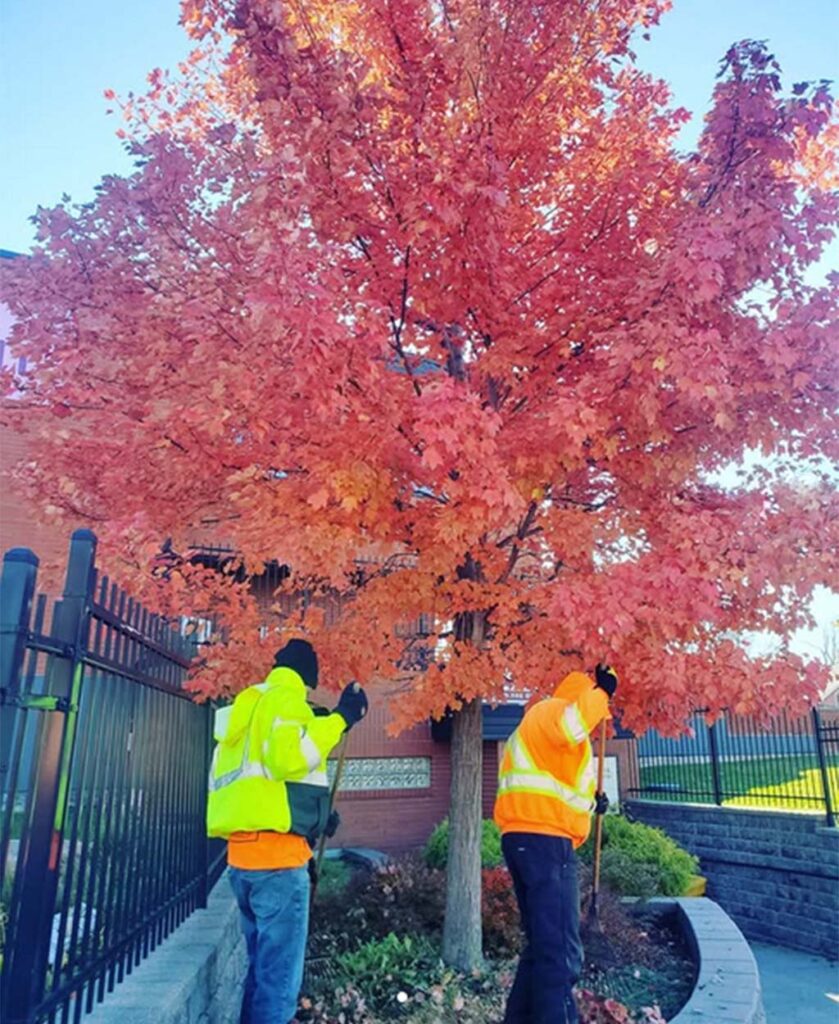
8
Landscape Improvement Projects
October isn’t only about maintenance. It’s also a great time to think about improvements you’d like to make before winter or next spring.
Consider whether your property could benefit from:
- New garden beds
- Tree or shrub planting
- Lawn repairs
- Drainage improvements
- Grading
- Hardscape repairs
- Pathways
- New sod or grass seed
- Mulch installation
Planning these projects early gives you time to assess the property, develop a plan, establish a budget, and schedule professional landscaping work well before the spring rush begins.
A Little October Maintenance Goes a Long Way
October is the bridge between summer and fall, making it the perfect time to give your landscape some attention.
Repairing your lawn, correcting drainage issues, planting trees and shrubs, continuing to water established plants, cleaning up the property, pruning carefully, and applying the right fall fertilizer can all help prepare your landscape for the colder months ahead.
The goal isn’t simply to make your property look good for fall. It’s to protect the investment you’ve already made in your landscape and set it up for a healthier start next spring.
If your October landscaping checklist has you feeling overwhelmed, the Quality Turf professional landscaping team can certainly help you out! Our landscaping experts can prioritize what needs attention, and take care of seasonal maintenance or larger landscape improvements for you before winter arrives.
Frequently Asked Questions
Why is October an important month for landscaping?
October serves as a critical transition month where cooler temperatures reduce summer stress. Completing maintenance tasks now helps your lawn, trees, and gardens stay healthy through winter and ensures a stronger, greener recovery next spring.
Should I fertilize my lawn in the fall?
Yes. Fall fertilization helps your lawn recover from summer damage and build strong energy reserves. Unlike summer fertilizers focused on top growth, fall formulas emphasize nutrients like potassium to strengthen roots and improve winter hardiness.
Is October a good time to plant trees and shrubs?
Absolutely. Early fall provides cooler air temperatures that reduce heat stress, while the soil remains warm enough for new plants to establish deep, healthy roots before the ground freezes.