
The Efficiency and Benefits of Hydroseeding
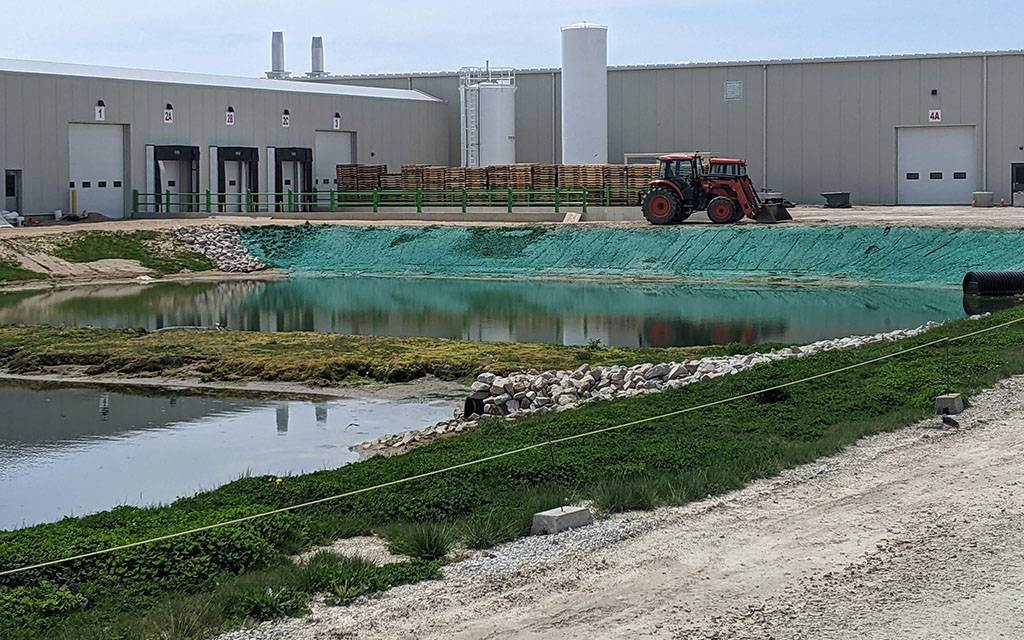
Hydroseeding is one of the most efficient ways to establish grass over large areas, difficult terrain, and erosion-prone sites. Whether you are repairing a slope, restoring a construction site, covering acreage, or trying to establish turf in an area that is hard to seed by hand, hydroseeding offers a fast, even, and cost-effective solution.
Unlike traditional grass seeding, hydroseeding applies a carefully blended mixture of grass seed, water, mulch, fertilizer, and tackifier directly to the soil. This mixture helps protect the seed, hold moisture, reduce erosion, and encourage strong germination.
For property owners, municipalities, contractors, and commercial sites, hydroseeding can be an ideal option when you need reliable turf establishment without the high cost of sod or the uneven results that can come from spreading bagged grass seed by hand.
What Is Hydroseeding?
Hydroseeding is a grass seeding method that uses a specialized machine to spray a seed mixture evenly across prepared soil. The mixture, often called a slurry, typically includes grass seed, water, mulch, fertilizer, and a binding agent that helps the material stick to the soil.
Once applied, the mulch helps retain moisture around the seed, while the tackifier helps keep the seed in place. This is especially useful on slopes, bluffs, ditches, roadsides, and large open areas where loose seed could be washed away by rain or displaced by wind.
Hydroseeding is commonly used for:
- Large lawns and open green spaces
- Commercial properties
- Parks and municipal spaces
- Slopes, hillsides, and bluffs
- Construction site restoration
- Roadside seeding
- Erosion control
- Acreage and large square footage projects
- Areas where hand seeding would be inefficient
The Best Time of Year to Hydroseed
The best times of year to hydroseed are typically spring and fall. These seasons offer cooler temperatures, better moisture conditions, and less competition from actively growing weeds.
In spring, hydroseeding can be successful because the soil is warming up and moisture is usually more consistent. Grass seed has the opportunity to germinate before the heat of summer arrives. Spring is also a good time because weeds have not fully taken over yet, giving new grass a better chance to establish.
Fall is also one of the best times to hydroseed because the weather is cooler, the soil is still warm from summer, and weed growth has usually slowed down or stopped for the season. This creates excellent conditions for seed germination and root development.
Hydroseeding can be done in other seasons depending on weather, irrigation, and site conditions, but spring and fall usually provide the most successful results.
If you are considering hydroseeding for a fall project, it is important to plan ahead. Fall will be here before you know it, and booking early helps ensure your site can be prepared and seeded during the best seasonal window.
Best Use Cases for Hydroseeding
Hydroseeding is especially useful when a site requires fast, even seed coverage over a large or challenging area. It is more efficient than hand seeding and often more affordable than sod, making it a practical choice for many commercial, municipal, and residential projects.
- Slopes and Hillsides – Sloped areas are difficult to seed by hand because loose seed can shift, wash away, or collect unevenly after rain. Hydroseeding helps hold seed in place and gives the area a better chance of establishing vegetation.
- Bluffs and Erosion-Prone Areas – Bluffs, banks, and exposed soil areas are vulnerable to erosion. Hydroseeding can help stabilize the surface by encouraging vegetation growth, which supports the soil over time through root development.
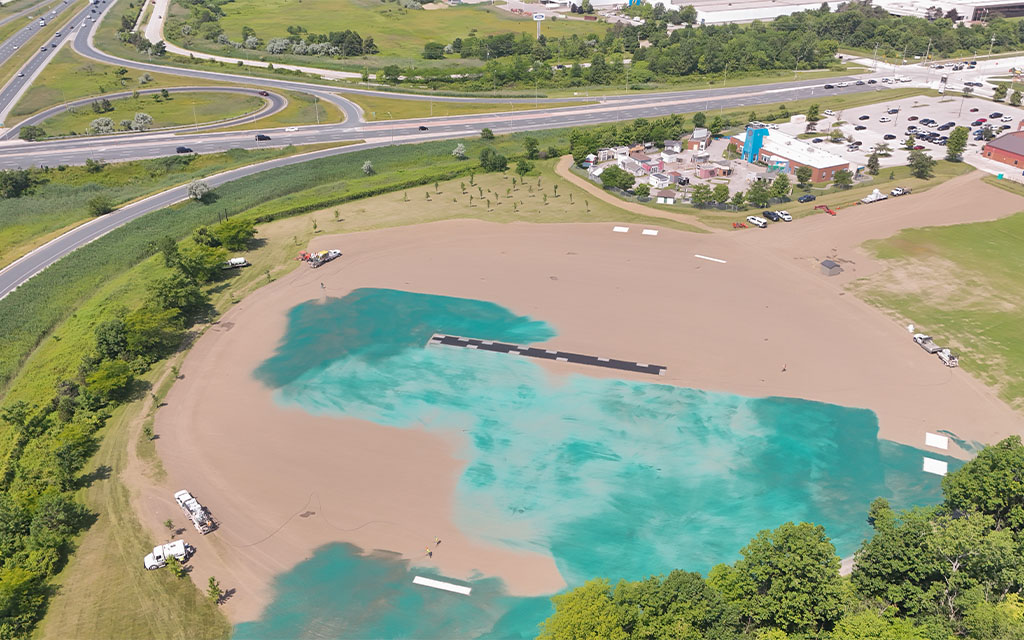
- Large Square Footage and Acreage – For large properties, hydroseeding is much faster and more efficient than spreading bags of grass seed manually. It allows for consistent coverage across big areas, making it ideal for fields, parks, commercial properties, estates, and open land.
- Construction Site Restoration – After construction, soil is often disturbed, compacted, or left exposed. Hydroseeding can help restore ground cover, reduce dust, improve appearance, and help protect the site from erosion.
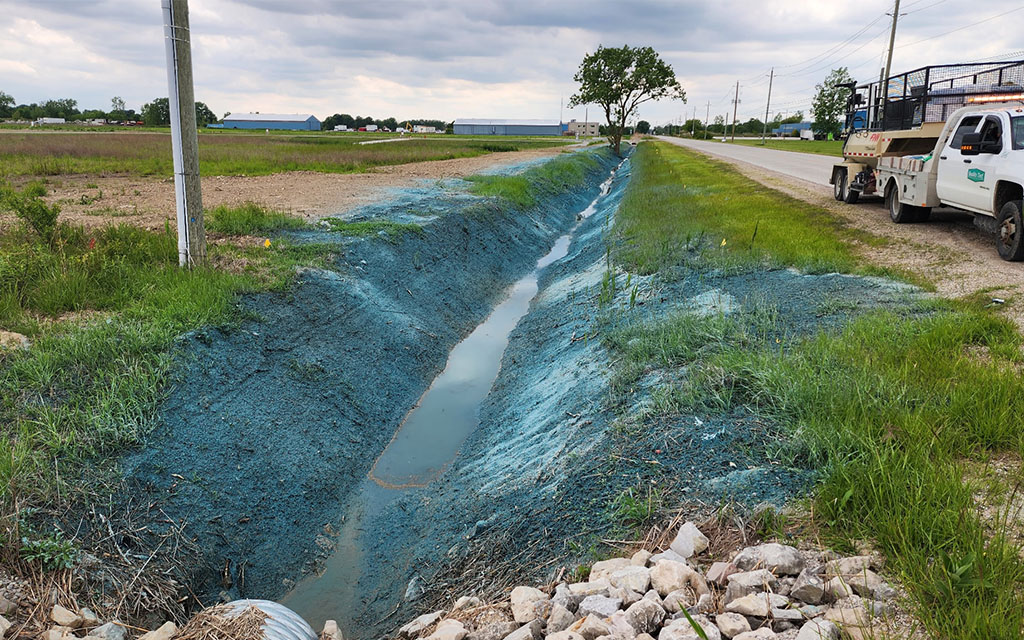
- Ditches, Roadsides, and Drainage Areas – Areas that experience runoff need vegetation to help slow water movement and stabilize the soil. Hydroseeding is a practical option for ditches, roadside edges, swales, and other drainage-related areas.
The Hydroseeding Application Process
A successful hydroseeding project starts before the seed is ever applied. Proper site preparation is one of the most important steps for long-term results.
Step 1: Site Assessment
The process begins with reviewing the area that needs to be seeded. This includes looking at the soil conditions, slope, drainage, sun exposure, site access, and the overall purpose of the area.
A flat lawn, a commercial property, a roadside ditch, and an erosion-prone slope may all require different seed mixes or preparation methods.
Step 2: Soil Preparation
Before hydroseeding, the soil should be prepared so the seed has good contact with the ground. This may include clearing debris, removing weeds, grading the area, loosening compacted soil, adding topsoil, or correcting drainage issues.
Step 3: Choosing the Right Seed Mix
The right grass seed depends on the site conditions and intended use. Some areas need durable turf for foot traffic, while others may need a mix designed for erosion control, low maintenance, or slope stabilization.
Choosing the right seed is important for long-term performance.
Step 4: Mixing the Hydroseed Slurry
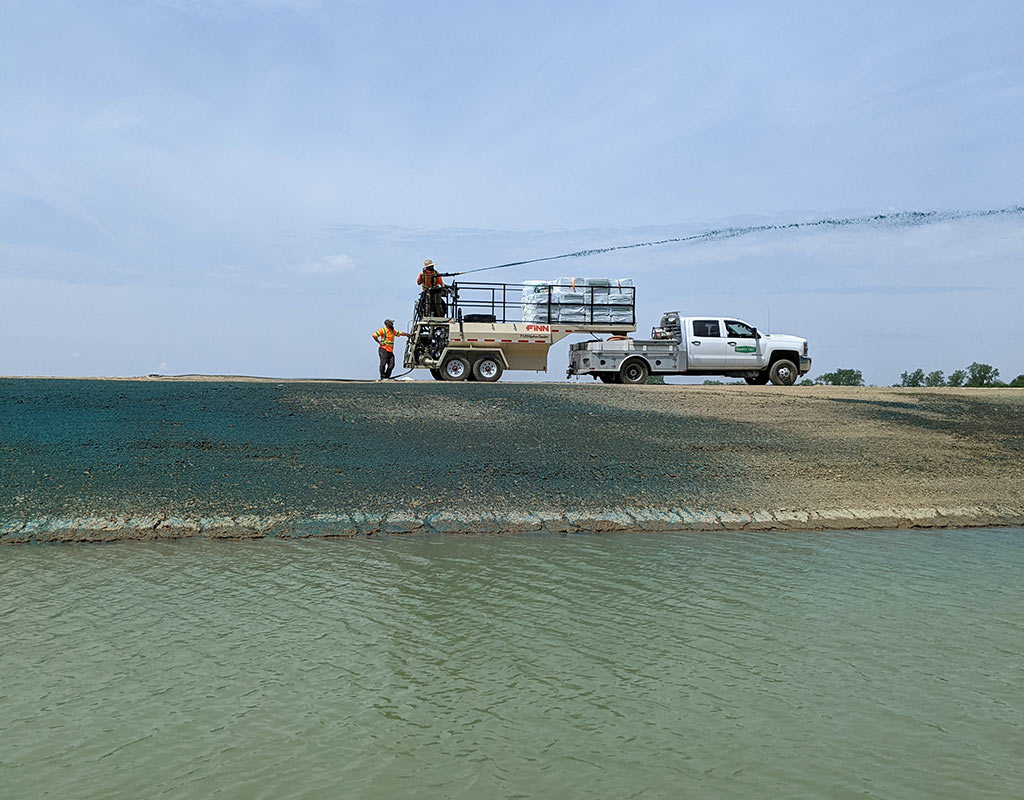
The seed, water, mulch, fertilizer, and tackifier are mixed in the hydroseeding machine. This creates a slurry that can be sprayed evenly across the prepared soil.
Step 5: Application
The hydroseed mixture is sprayed onto the soil using a hose or cannon-style applicator. The process is usually quick, especially compared to hand seeding large areas.
Application time depends on the size and complexity of the site, but many hydroseeding jobs can be completed in a few hours after the site is properly prepared.
Step 6: Watering and Establishment
After application, watering is critical. The seed needs consistent moisture to germinate and begin growing. If the area dries out too soon, germination may be delayed or uneven.
With proper watering and weather conditions, grass can begin to germinate within 7 to 21 days, depending on the seed type, soil temperature, moisture, and site conditions.
Hydroseeding vs. Regular Grass Seed
Hydroseeding and traditional grass seeding both use grass seed, but the application method is different.
With regular bagged grass seed, the seed is usually spread dry over the soil. It may then need to be raked in, covered with straw, fertilized separately, and watered carefully. If the site is large, uneven, sloped, or exposed to wind and rain, the seed can move around or grow unevenly.
Hydroseeding applies seed as part of a protective mixture. The mulch helps hold moisture, the tackifier helps keep the seed in place, and the application provides more even coverage across the site.
This can make hydroseeding a better option for larger areas or sites where erosion control is a concern.
Does Hydroseed Grow Faster Than Regular Grass Seed?
Grass from hydroseeding often begins growing in a similar timeframe to traditional grass seed, usually within 7 to 21 days under good conditions. The difference is that hydroseeding can provide more consistent coverage because the seed is applied with mulch, water, fertilizer, and a binding agent.
That means hydroseeding does not magically make grass grow overnight, but it can create better conditions for germination and establishment, especially on larger or more challenging sites.
Growing success depends on:
- Seed type
- Soil temperature
- Watering schedule
- Sun exposure
- Soil preparation
- Weather
- Site conditions
The better the preparation and aftercare, the better the result.
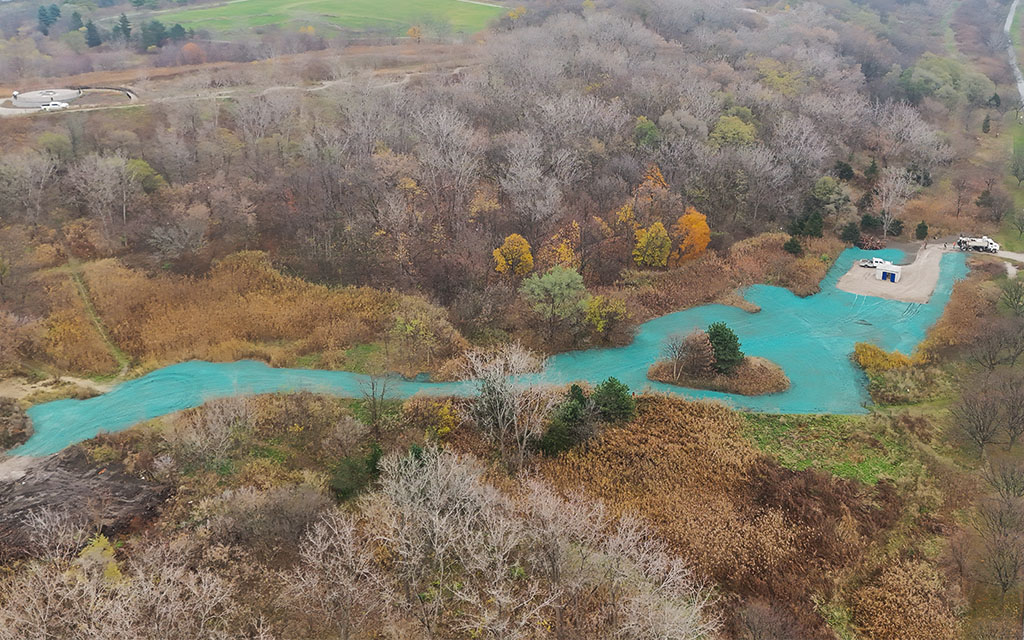
Why Hydroseeding Is Useful for Erosion Control
Erosion happens when soil is moved by water, wind, gravity, or site disturbance. Bare soil is especially vulnerable because there are no roots or vegetation to help hold it in place.
Hydroseeding helps with erosion control by encouraging fast vegetation establishment. As grass grows, the root system begins to bind the soil together. Above the surface, the grass blades help slow runoff and reduce the impact of rainfall on exposed soil.
The hydroseed mulch also provides short-term protection while the seed begins to germinate. This makes hydroseeding a useful tool for stabilizing slopes, ditches, construction sites, and other exposed areas.
For severe erosion, hydroseeding may be used alongside other solutions such as erosion control blankets, grading, drainage improvements, riprap, or additional site stabilization measures. For more on Environmental Remediation, read our August blog article.
How to Improve Hydroseeding Success
A successful hydroseeding project depends on proper planning, preparation, and aftercare.
To improve results:
- Hydroseed during the right season when possible
- Prepare the soil before application
- Choose the right seed mix for the site
- Water consistently after application
- Avoid heavy foot traffic while the grass establishes
- Address drainage problems before seeding
- Control weeds before they compete with new grass
- Monitor the site during the early growth period
Hydroseeding is effective, but it still requires the right conditions and care to produce the best outcome.
Plan Ahead for Fall Hydroseeding
Fall is one of the best times of year to hydroseed because temperatures are cooler, moisture is usually more consistent, and weeds are no longer growing as aggressively. It is also a great time to repair summer damage, restore bare areas, and prepare the site for stronger growth next season.
If you are planning a fall hydroseeding project, now is the time to get on the schedule. Fall will be here before you know it, and booking ahead gives your project the best chance of being completed during the ideal seasonal window.
Whether you need hydroseeding for erosion control, slopes, acreage, construction site restoration, or large-scale turf establishment, professional application can help create a stronger and more consistent result.
Ready to plan your fall hydroseeding project? Book your consultation with us today.
Frequently Asked Questions
What is hydroseeding and how does it work?
Hydroseeding is a specialized grass establishment method where a slurry of seed, water, mulch, fertilizer, and a tackifying binder is sprayed evenly across prepared soil. The mulch retains moisture while the binding agent anchors the seed, protecting it from wind and rain runoff, particularly on slopes and large acreage.
When is the best time of year to hydroseed?
Spring and fall are the ideal seasons for hydroseeding. Fall is especially favorable because the soil remains warm from summer while cooler air temperatures and reduced weed activity create optimal conditions for seed germination and strong root development.
How long does it take for hydroseed to grow?
Under favorable weather conditions, proper soil preparation, and consistent watering, hydroseeded grass typically begins to germinate within 7 to 21 days.