
5 Simple Steps to Revive Your Lawn This Spring
If your lawn could talk, it would say it’s been a long Winter. Now that the snow is finally gone for good (we hope), it’s time to help breathe some life back into that grass and prepare it for the warmer weather. Spring lawncare doesn’t need to be a big arduous task! We’ve narrowed it down to 5 key steps for you to check off in the coming weeks.
Read on to see how simple it can be to give your grass the extra boost it needs to thrive this Summer.
1
Out With The Old & In With The New: Dethatching Your Lawn
Think of dethatching your grass as brushing a head of hair – if you have hair to brush, old strands of hair will naturally fall out to make room for new hair. It’s a similar story for grass, and a Dethatcher is the ideal way to get rid of last year’s dead grass to make room for new Spring growth. By combing through the grass with metal tines, a Dethatcher removes the layer of dead grass, roots, and debris (thatch) from your lawn. You can probably guess with all that dead matter gone, your grass has an easier time breathing again (improved oxygen flow) and is almost ready to receive the nutrients that it’s been waiting for all Winter long. But before we get to the nutrients there’s one step in between that will improve your chances of growing a thick, lush turf.
2
Aeration
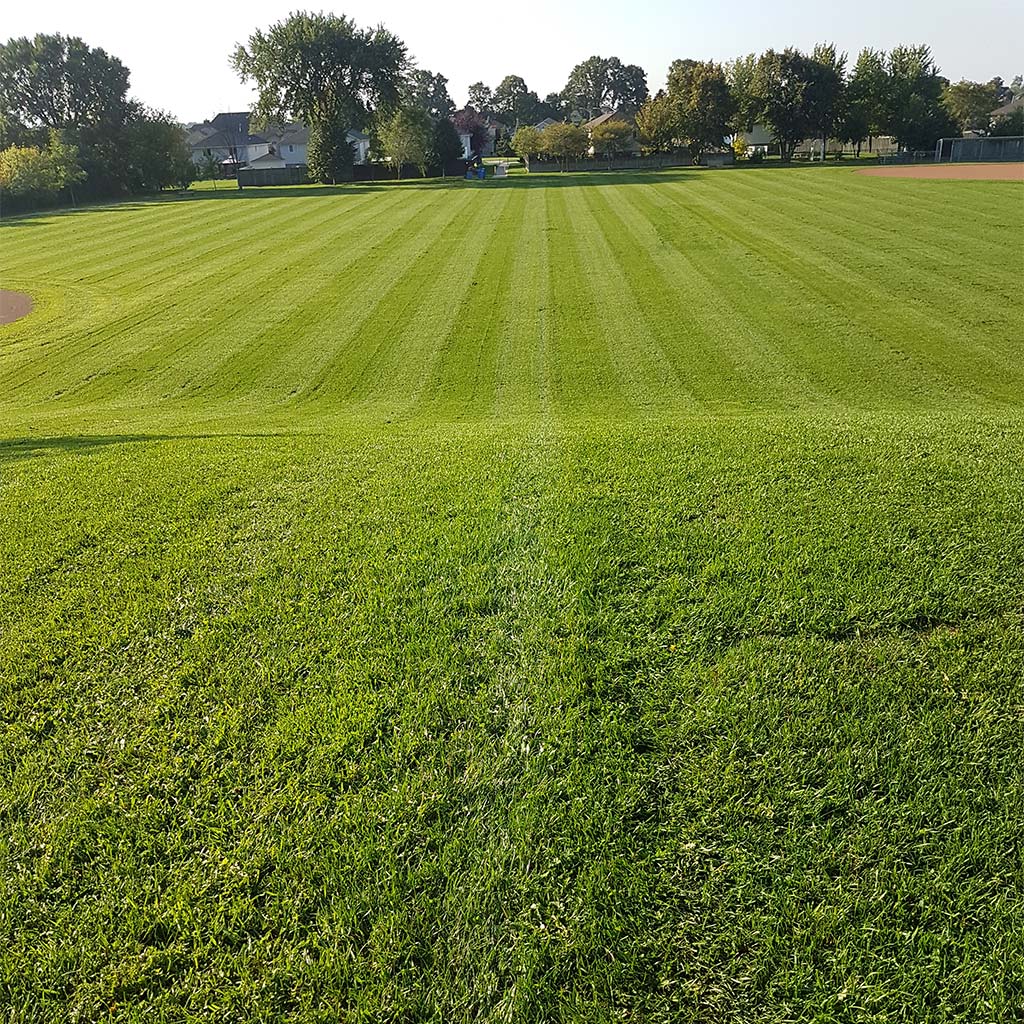
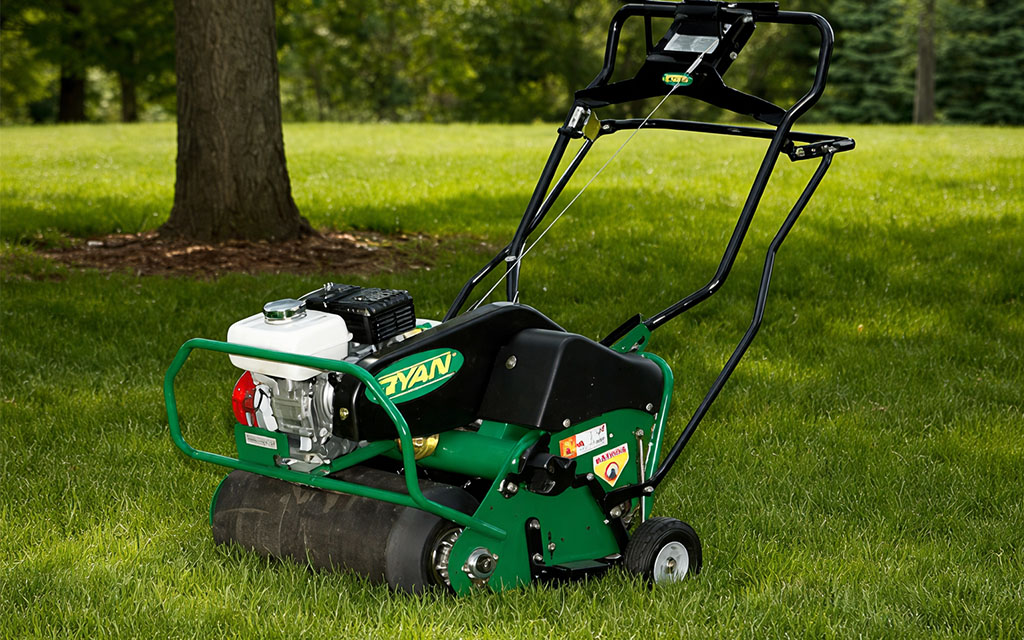
We know that over time dirt settles and becomes hard. If left untreated and undisturbed, it becomes more challenging for anything to grow through such a compacted layer of earth. Aeration helps relieve soil of the effects of compaction through the process of creating small holes in the earth for air, water, and nutrients to penetrate your grass more effectively. When these elements are absorbed, it can encourage deeper root growth which makes for stronger, more resilient grass when it comes to the future summer drought we will inevitably endure. Deep roots allows grass to extend its reach looking for the moisture it needs to stay alive when rainfall is sparse. The benefits of Aerating your lawn can be quite impactful when combined with a complete lawn care system, and now that the prep work is complete, it’s time to start feeding your hungry lawn.
3
Seeding with an Overseeder
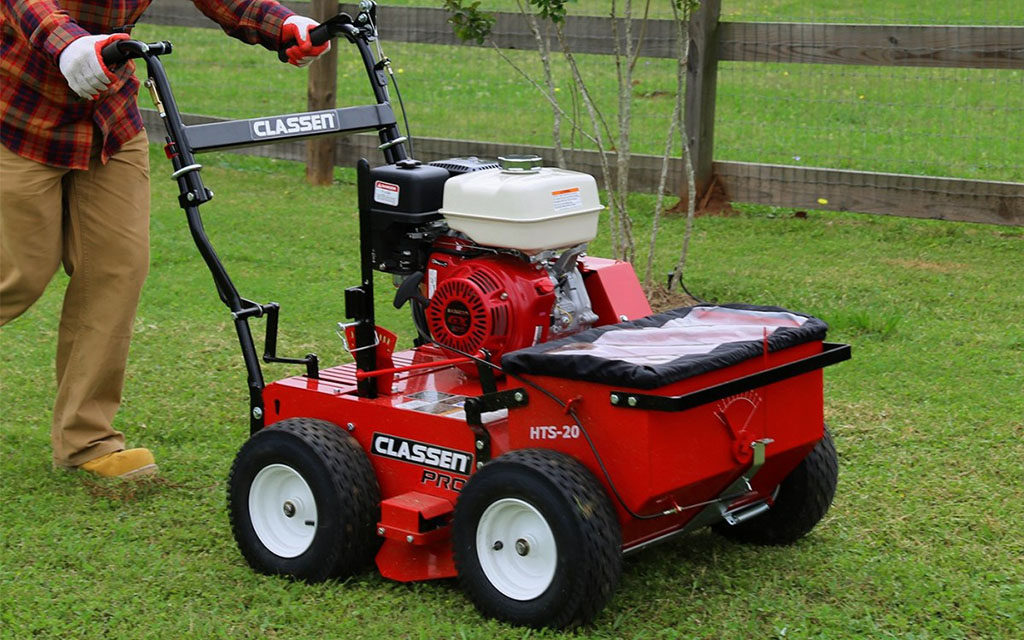
Bare spots happen. It happens in hair and it happens in grass. There are several reasons why you may find your grass is lacking in some areas; heavy foot traffic or poor root health being some of the more common reasons, but it’s an easy fix with some good quality grass seed and help from an Overseeder. Using an Overseeder is a great way to revive bare spots on your lawn, and it’s easy to do. It works by slicing grooves into the soil and directly depositing grass seed into the earth, ensuring maximum seed-to-soil contact. In some cases, an Overseeder can be more effective than a regular seeder that just tosses seed on top of soil, leaving the seed exposed to wild animals and elements like the wind. Thanks to the grooves created by the Overseeder, grass seed has a better germination rate over other methods of distributing grass seed. This useful piece of equipment is also effective at creating a thicker lawn by running it through your existing grass, not just the bare spots.
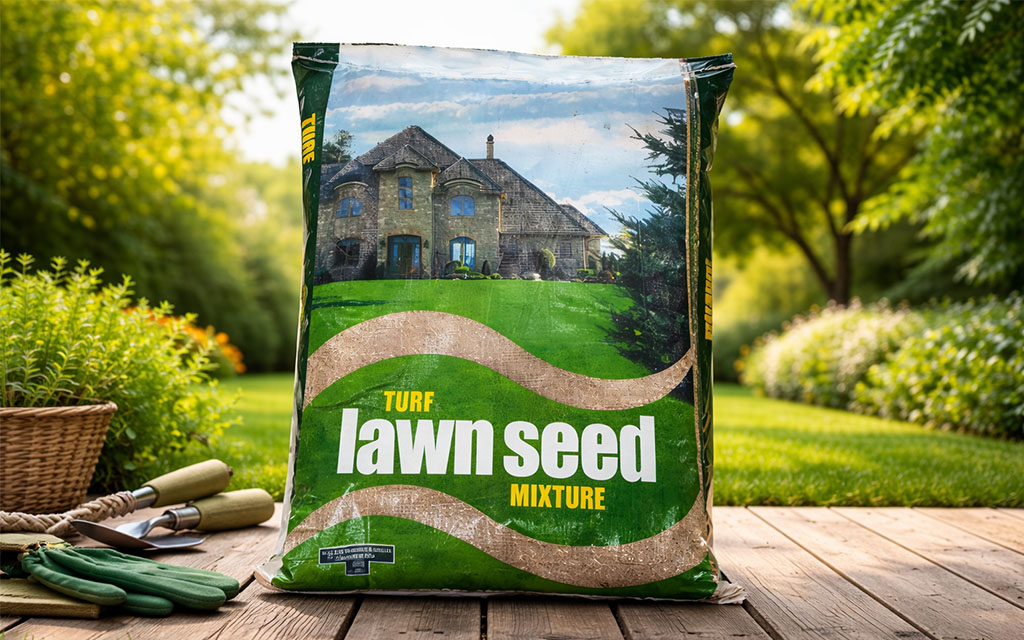
For a good quality grass seed, we recommend using Turf Lawn Seed Mixture for the best growing results.
4
Spring Fertilizer
Did you know your grass needs different fertilizer mixes for each season? Because each season affects your lawn in different ways – cold & snowy or hot and dry, your lawn needs help to manage the elements and that’s what fertilizer aims to do. Spring fertilizer gives your grass the boost of nutrients it’s been missing all Winter, and helps to repair the damage caused during the colder months. Spring fertilizer in particular should be high in Nitrogen and a slow-release variety; Nitrogen is the primary nutrient for grass (it creates Chlorophyll which allows the plant to turn sunlight into energy), encouraging lush green colours and an increase in turf density which makes for a stronger lawn. A strong turf is more resilient to damage caused by foot traffic, damage from pests, and drought. The slow-release element of a Spring fertilizer provides a gradual supply of its nutrients over an extended period of time, reducing the risk of burning your grass and the amount of times you need to apply the fertilizer.
At this point we’ve made great strides in setting your grass up for success. All that’s left to do is prevent those nasty weeds from cropping up.
5
Weed Prevention
If you don’t need to overseed your lawn this Spring, you can nip weeds in the bud by applying a pre-emergent herbicide in early Spring. This step is particularly helpful in preventing invasive species like Crabgrass. It’s important to note here that lawn weeds are nearly impossible to avoid without continuous management (think golf course turf management), but taking preventative measures will make your weeding efforts much more manageable later in the season.
It’s also important to note that if you plan to overseed your lawn this year, you should avoid pre-emergent herbicides since they are designed to inhibit the germination process of a seed. Instead use a specialized starter fertilizer with built-in weed prevention.
Let’s Get Growing!
Spring Turf Care: Your Frequently Asked Questions
When is the best time to start spring lawn maintenance in Windsor-Essex?
The ideal time to begin is once the ground has fully thawed and the soil is firm enough to walk on without leaving deep footprints. In our region, this usually falls between late March and mid-April. Starting too early when the ground is “mushy” can lead to soil compaction, which undoes the benefits of aeration.
Can I aerate and overseed my lawn at the same time?
Yes, in fact, we highly recommend it! Aeration creates the perfect “pockets” for new seeds to fall into, ensuring excellent seed-to-soil contact. By overseeding immediately after aerating, you take advantage of the open channels in the soil, leading to much higher germination rates and a thicker, more resilient turf.
How long should I wait to mow my lawn after overseeding?
Patience is key for a lush result. You should wait until the new grass reaches about 3 inches in height before the first mow. This typically takes 3 to 4 weeks. When you do finally mow, ensure your blades are sharp and set the height high to avoid “scalping” or pulling up the young, delicate root systems of the new growth.